Thalente Mbatha Reveals Abdeslam Ouaddou’s Showboating Approach at Orlando Pirates
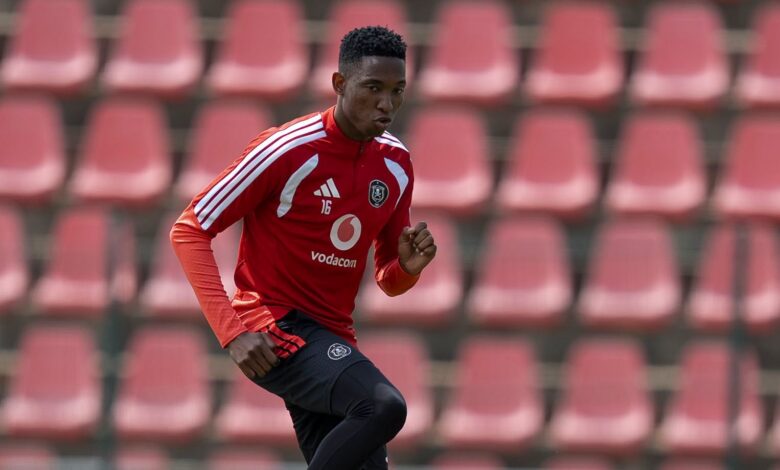
Orlando Pirates midfielder Thalente Mbatha has offered insight into Abdeslam Ouaddou’s approach to showboating, explaining that the coach is not necessarily against individual flair. Mbatha says Ouaddou’s main priority is making sure the team produces enough goals and gets the desired result. The comments provide a clearer picture of the Orlando Pirates coach’s philosophy after his public stance on unnecessary showboating attracted attention. Rather than completely restricting players from expressing themselves, Ouaddou appears to want them to prioritise effective football and end product. Mbatha’s explanation suggests that players can enjoy greater freedom when their performances are producing the goals and results the coach demands.
Ouaddou’s approach has generated interest because Orlando Pirates have several players capable of producing moments of individual skill. The Buccaneers have traditionally been associated with entertaining football and technically gifted players who can beat opponents in one-on-one situations. For those players, knowing exactly when to take risks and when to play efficiently can make a major difference. Mbatha believes the coach’s comments about showboating should not be interpreted as a complete rejection of flair. Instead, he explained that Ouaddou wants the team to improve its attacking output before players focus on expressive moments.
Mbatha explained that Ouaddou likes goals and prefers direct football, but suggested that the coach is willing to give players freedom when the team is finding the back of the net regularly. The midfielder’s comments indicate that the coach’s criticism is linked more closely to effectiveness than entertainment. If Pirates are scoring several goals and controlling matches, individual expression becomes less of a concern. Mbatha therefore sees a connection between productivity and the freedom players receive on the field. His interpretation gives supporters a useful insight into how Ouaddou balances discipline with the creative qualities within his squad.
The midfielder’s explanation is particularly relevant ahead of a major match against Mamelodi Sundowns. Pirates need their attacking players to make the right decisions when facing a team known for controlling possession and applying pressure. Individual skill can be valuable in such situations, but unnecessary risks can also give opponents opportunities to regain possession. Ouaddou’s philosophy appears to encourage players to understand that distinction. The objective is not to eliminate creativity from the team, but to ensure that flair contributes to meaningful attacking actions.
Mbatha’s comments also suggest that Ouaddou’s expectations are closely tied to the scoreboard. A team can dominate possession or produce impressive individual moments without creating enough goals to win matches. For a coach focused on results, the quality of the final action matters more than the entertainment value of a particular piece of skill. That could explain why Ouaddou has challenged his players to be more direct and productive. The message to the squad is seemingly straightforward, produce the required results first, then express yourself when the situation allows it.
This philosophy could have an important impact on some of Orlando Pirates’ most naturally gifted players. Players who enjoy taking on defenders, attempting creative passes or producing elaborate skills will need to understand the context of each situation. There is a difference between using flair to create an advantage and using it simply to entertain. A successful attacking player needs to know when a skill can open space, beat a defender or create a scoring opportunity. Ouaddou’s approach appears to favour that type of purposeful creativity rather than restricting individual talent altogether.
Mbatha also highlighted another important aspect of Ouaddou’s management style, his relationship with younger players. According to the midfielder, the coach has developed a reputation within the squad for being friendly and willing to help emerging players. That could become significant for Orlando Pirates as the club continues to develop talent through its youth structures. Young players often need more than technical instructions when making the transition into senior football. Guidance from a coach with extensive professional experience can help them understand the demands and responsibilities that come with playing at a higher level.
Ouaddou’s own playing career also shapes the way Mbatha views his influence on younger players. Mbatha pointed to the coach’s 17 years in top-level professional football as a source of experience that can benefit developing players. That background gives Ouaddou first-hand knowledge of the pressures involved in professional football. He can draw on those experiences when advising players who are entering the senior game. Mbatha believes that this part of the coach’s work can continue to benefit youngsters coming through the Orlando Pirates development system.
The relationship between Ouaddou and the younger players could also help create a stronger pathway between development football and the senior team. Players from the DDC setup need opportunities to demonstrate that they can compete at the highest domestic level. They also need a coaching environment that gives them clear expectations while allowing them to develop their individual qualities. Mbatha’s comments suggest that Ouaddou is interested in encouraging that progression. If young players can combine discipline with creativity, they could eventually become important members of the Orlando Pirates first team.
For the senior squad, the challenge will be finding the right balance between Ouaddou’s demands and the natural characteristics of the players. Footballers need structure because every team relies on coordinated movement, defensive organisation and tactical discipline. At the same time, attacking players often need freedom to make decisions that cannot always be predicted from the sidelines. A rigid approach could limit creativity, while excessive freedom could reduce tactical control. Mbatha’s comments suggest that Ouaddou is trying to find a middle ground where players have freedom but remain accountable for their decisions.
That balance could be particularly important in the MTN8 final against Mamelodi Sundowns. Matches of that importance often turn on small decisions, including when to take a risk, when to keep possession and when to attack quickly. Pirates’ creative players will need to identify opportunities without losing sight of the team’s overall structure. Ouaddou will expect his players to compete with intensity while also making efficient decisions in the final third. Mbatha’s explanation of the coach’s showboating stance provides some insight into what those expectations could look like during the match.
The comments also give supporters a different perspective on Ouaddou’s personality away from tactical discussions. A coach can demand discipline while still allowing players to express themselves, provided they understand the team’s priorities. Mbatha’s description of Ouaddou as friendly and supportive of younger players suggests that the coach’s approach extends beyond match tactics. Building trust can be especially important when a manager wants players to follow demanding instructions while remaining confident enough to make decisions on the pitch. The success of that approach will ultimately be judged by performances and results.
For Mbatha, understanding the coach’s philosophy could also be important to his own role at Orlando Pirates. As a midfielder, he operates in an area where decision-making often determines whether a team can move from defence into attack effectively. Knowing when to play forward, when to retain possession and when to take a calculated risk fits directly into the balance Ouaddou appears to want. Mbatha’s comments indicate that the players understand the coach’s priorities and are adapting to them. That understanding could help Pirates become more consistent as the season progresses.
The discussion around showboating also highlights a broader issue in modern football. Individual flair remains an important part of the sport, but successful teams generally require players to use their skills within a collective plan. A piece of skill that creates space or leads to a goal can be extremely valuable. A similar move that unnecessarily loses possession can expose the team and frustrate a coach. Ouaddou’s approach, as explained by Mbatha, appears to focus on that difference. The coach is not necessarily asking players to stop being creative, but he wants their creativity to serve the team’s objectives.
Thalente Mbatha’s comments have therefore helped clarify Abdeslam Ouaddou’s position on showboating at Orlando Pirates. The coach’s priority appears to be goals, direct football and results, rather than preventing players from showing their individual ability. According to Mbatha, players can enjoy greater freedom when they are producing the attacking output expected of them. At the same time, Ouaddou’s reported support for younger players could help Orlando Pirates combine tactical discipline with the development of emerging talent. As the Buccaneers continue their campaign, the ability to balance flair, efficiency and discipline could become one of the defining features of Ouaddou’s tenure.