Mamelodi Sundowns Avoid FIFA Fine After Al Ahli Clash in Intercontinental Cup
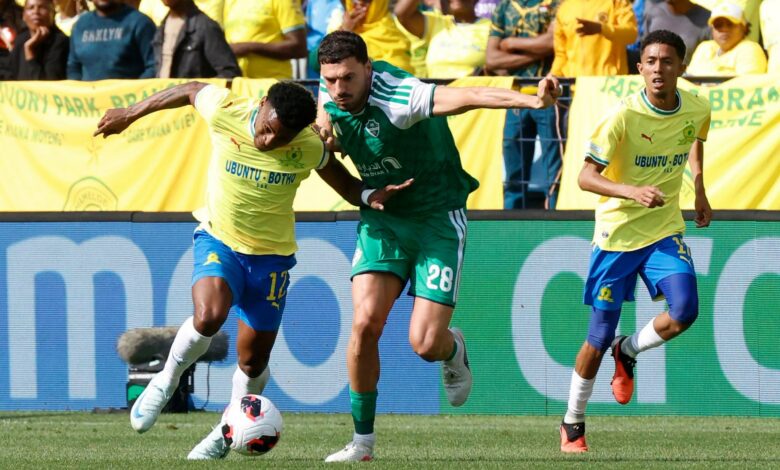
Mamelodi Sundowns have avoided a potential financial sanction from FIFA following their debut appearance in the 2026 FIFA Intercontinental Cup. The South African champions picked up three yellow cards during their victory over Al Ahli Saudi FC in the African-Asian-Pacific Cup. Teboho Mokoena, Nuno Santos and Brayan Leon were all cautioned during the match as Sundowns continued their historic campaign on the international stage. Despite the three bookings, the Brazilians will not face the additional team misconduct fine that FIFA regulations can impose under certain circumstances. The situation has highlighted the detailed disciplinary rules governing the FIFA Intercontinental Cup and the financial consequences that can arise from player and team misconduct.
Sundowns defeated Al Ahli Saudi FC 3-1 in the African-Asian-Pacific Cup on September 17, 2026, earning their place in the next stage of the competition. The victory sent the South African side through to the Challenger Cup, which serves as the semifinal stage of the FIFA Intercontinental Cup. Their progression means Sundowns are now scheduled to face European champions Paris Saint-Germain in the next round. The winner of that match will advance to the Intercontinental Cup final. For Sundowns, the competition has provided another opportunity to test themselves against leading clubs from different footballing regions.
The three yellow cards against Al Ahli could have created a financial concern under FIFA’s disciplinary framework if Sundowns had reached the relevant threshold. FIFA’s disciplinary measures allow its judicial bodies to impose fines for various forms of misconduct involving players and officials during competitions under its jurisdiction. The regulations provide for different financial penalties depending on the type of disciplinary offence. A yellow card carries a USD10,000 fine, while an indirect red card carries a USD15,000 fine and a direct red card carries a USD20,000 fine. Team misconduct can also result in a USD15,000 fine under the applicable disciplinary provisions.
Sundowns avoided the additional team misconduct penalty because only three of their players received yellow cards during the match. The September 2026 edition of the FIFA Legal Handbook states that the additional team fine applies when five or more players from the same team receive individual disciplinary sanctions from the referee during the relevant match. That threshold was not reached against Al Ahli. Mokoena, Santos and Leon were the only Sundowns players cautioned in the encounter. As a result, the Brazilians will not face the additional financial sanction linked to five or more individual disciplinary sanctions in the same match.
The distinction between individual disciplinary sanctions and the additional team penalty is important when examining what happened to Sundowns. A player can receive an individual punishment from the referee, such as a yellow card, without the team automatically receiving the additional misconduct fine. FIFA’s regulations establish conditions under which a separate team sanction can be applied. In this case, the three yellow cards remained below the five-player threshold specified in the relevant provision. Sundowns therefore escaped the extra financial penalty despite having three players booked.
Teboho Mokoena and Brayan Leon also benefited from a specific provision covering yellow and red cards in the 2026 Intercontinental Cup regulations. The competition rules clarify that single yellow cards and pending suspensions that could not be served during a confederation competition are not carried over into the FIFA Intercontinental Cup. This means the disciplinary record from the relevant confederation competition does not automatically transfer into the Intercontinental Cup under the circumstances outlined by the regulations. For Mokoena and Leon, that provision provided an important layer of protection as they continued Sundowns’ campaign. The rules are designed to clarify how disciplinary records are handled when clubs move between confederation and FIFA competitions.
Sundowns’ progression has also added significance to their involvement in the Intercontinental Cup. Their victory over Al Ahli gave them the opportunity to compete in the Challenger Cup, bringing them closer to a meeting with one of Europe’s leading clubs. Paris Saint-Germain are waiting in the semifinal stage, creating a major challenge for the South African side. The match will offer Sundowns another chance to measure their level against elite opposition outside Africa. It also gives the club an opportunity to gain further international experience during a competition that brings together champions from different confederations.
The disciplinary situation demonstrates why tournament regulations matter even when they do not immediately affect a team’s results on the field. Yellow cards can have consequences beyond the individual match, particularly in competitions where suspension rules and disciplinary thresholds differ between tournaments. Clubs competing internationally must therefore monitor player bookings and understand how the regulations apply at each stage. Sundowns were able to progress without an additional FIFA fine because the number of cautioned players remained below the relevant threshold. Their situation also shows how specific competition rules can determine whether a disciplinary incident leads to further consequences.
The financial amounts involved make the rules particularly significant for clubs participating in FIFA competitions. A USD10,000 fine for an individual yellow card represents a substantial amount when converted into South African rand, while the penalties increase for more serious disciplinary offences. A direct red card, for example, carries a higher individual fine than a yellow card. The additional team misconduct sanction can also add another USD15,000 when the conditions in the regulations are met. These provisions give clubs a clear financial reason to maintain discipline throughout international fixtures.
For Sundowns, the immediate priority remains their continued progress in the competition rather than the financial issue surrounding the Al Ahli match. The Brazilians have already secured their place in the Challenger Cup after their victory and now face the possibility of an even bigger test against Paris Saint-Germain. Their performance against Al Ahli showed their ability to compete successfully in an international knockout setting. The next stage will demand another disciplined performance because the quality of opposition will increase significantly. Sundowns will need to combine their attacking ability with careful game management if they are to extend their Intercontinental Cup adventure.
The outcome against Al Ahli also represents another notable moment in Sundowns’ growing international profile. The club has established itself as one of Africa’s leading teams and now has the opportunity to compete against champions from other parts of the world. The FIFA Intercontinental Cup provides a different environment from domestic and continental competitions because every stage can bring a new opponent and a different footballing style. Sundowns’ ability to adapt will be tested throughout the tournament. Their progress against Al Ahli has already ensured that their campaign will continue beyond their opening international challenge.
Ultimately, Mamelodi Sundowns can look back on the Al Ahli victory as a successful result both competitively and from a disciplinary perspective. Three players received yellow cards, but the team stayed below FIFA’s five-player threshold for the additional team misconduct fine. The regulations concerning individual cards and the treatment of previous disciplinary records also helped clarify the position of players such as Mokoena and Leon. Sundowns can now turn their attention fully to the Challenger Cup and the prospect of facing Paris Saint-Germain. Their continued progress will depend on what happens on the pitch, while their experience against Al Ahli has shown that careful discipline can also have important consequences during an international campaign.