Pitso Mosimane Warns Bafana Bafana Against Underestimating Benni McCarthy’s Kenya
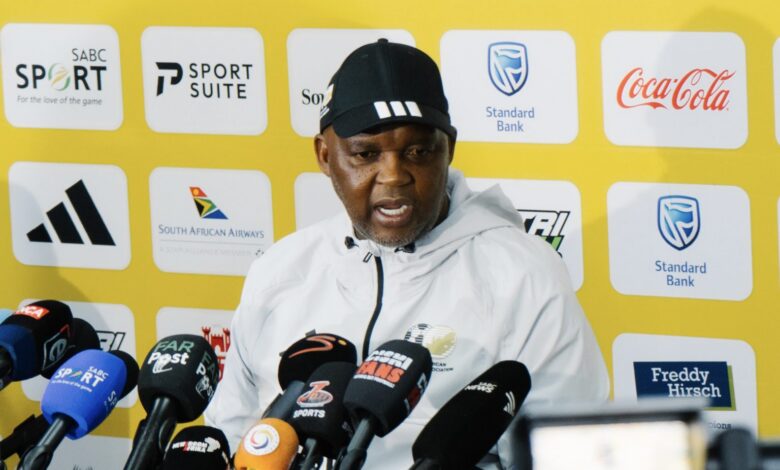
Bafana Bafana head coach Pitso Mosimane has warned his players against underestimating Kenya ahead of their upcoming back-to-back 2027 Africa Cup of Nations qualifiers. Mosimane believes South Africa face a dangerous opponent under the guidance of former Bafana Bafana striker Benni McCarthy, particularly given the motivation surrounding the Kenyan coach and his future. The South African tactician has stressed that reputation, past results and perceived differences in quality will count for little once the two teams take to the pitch. He also believes that teams facing pressure can become especially dangerous when their players feel motivated to fight for their coach. With both nations looking to strengthen their positions in the Africa Cup of Nations qualifying campaign, Mosimane wants his players to approach the fixtures with focus, discipline and respect. His message is clear: Bafana Bafana cannot afford to assume that they will collect maximum points simply because they are considered favourites.
Mosimane’s warning comes at a time when Kenya are preparing to face one of the continent’s most respected national teams. South Africa have built a competitive squad with experience at international level, while their recent progress has raised expectations among supporters. However, Mosimane understands that expectations can sometimes create unnecessary pressure, especially when a team begins to underestimate its opposition. He believes Kenya have enough quality and motivation to make life difficult for Bafana Bafana. The presence of McCarthy in the Kenyan technical setup adds another important dimension to the contest. Having represented South Africa at the highest level as a player, McCarthy understands the expectations and demands associated with African international football. His experience could prove valuable as Kenya prepare for two challenging encounters against their southern African neighbours.
One of Mosimane’s biggest concerns is the possibility that Kenya’s players could become emotionally motivated by the circumstances surrounding their coach. He explained that footballers sometimes produce exceptional performances when they believe their coach’s future depends on the outcome of an important match. Such situations can create a strong sense of responsibility within a dressing room, encouraging players to work harder and fight for every opportunity. Mosimane warned that opponents should be particularly careful when facing a team with something personal to prove. He made it clear that emotionally motivated players can produce unexpected results, even when their team is not considered the favourite. According to the Bafana coach, South Africa must recognise this possibility and avoid giving Kenya an opportunity to exploit any lack of concentration.
“If a player or a coach’s future depends on a game, you’ve got to be very, very careful of that because sometimes the players play for him and you can get the biggest surprise you can ever have,” Mosimane explained during a media conference. His comments highlight the psychological side of international football, where motivation can sometimes become just as important as technical ability. A team that believes in its coach may be willing to push beyond its usual limits, particularly when facing a highly rated opponent. Kenya could approach the matches with the determination to demonstrate their quality and support McCarthy during a demanding period. For South Africa, that means avoiding unnecessary risks and maintaining concentration throughout both fixtures. Mosimane’s experience in African football has taught him that seemingly straightforward matches can quickly become difficult when an opponent plays with confidence and determination.
The Bafana Bafana coach also took time to acknowledge McCarthy’s achievements and coaching experience. Rather than dismissing Kenya as an opponent South Africa should comfortably defeat, Mosimane highlighted the importance of recognising the quality of the man leading the team. McCarthy enjoyed an outstanding playing career and remains one of the most recognisable South African footballers of his generation. His achievements include winning the UEFA Champions League with FC Porto under Jose Mourinho in 2004, a remarkable accomplishment that placed him among a select group of African players to reach that level of success. His experience in European football has also given him valuable exposure to different coaching methods, tactical systems and elite playing environments. Mosimane believes these achievements deserve respect and should influence how Bafana Bafana prepare for the upcoming qualifiers.
McCarthy’s coaching experience at Manchester United is another aspect Mosimane highlighted when discussing the Kenyan coach’s credentials. During his time at the English club, McCarthy worked as a first-team coach and was involved in the development of attacking players, including Cristiano Ronaldo. Mosimane described that opportunity as a dream for many coaches in South Africa, recognising the level of experience required to work within one of the world’s biggest football institutions. He also emphasised that McCarthy’s achievements as a player should not be overlooked when assessing his football knowledge. His understanding of the game comes from years of competing at the highest level and working within demanding professional environments. For Kenya, having a coach with that background could provide important leadership and tactical direction during their Africa Cup of Nations qualifying campaign.
Mosimane’s comments also reflect the respect he has for the competitive nature of African football. The continent has produced several national teams capable of challenging more established sides, often through organisation, determination and effective tactical preparation. Differences in squad value, international experience and reputation do not always determine the final result. Kenya may not carry the same expectations as South Africa, but that does not mean they lack the ability to compete. The presence of players competing in several European leagues further demonstrates that the Kenyan squad has access to experience beyond its domestic competition. Mosimane understands that international matches often depend on small details, including individual performances, defensive concentration and the ability to take advantage of scoring opportunities. He therefore wants his players to treat Kenya as a serious threat rather than an opponent they can defeat without producing their best football.
The Bafana coach also referred to Cape Verde as an example of why football teams should never judge their opponents solely by reputation. Cape Verde have demonstrated that smaller football nations can make significant progress through strong organisation, effective recruitment and collective belief. Their achievements have challenged traditional assumptions about which countries should dominate African football. Mosimane used this example to remind South Africa that every opponent deserves respect, regardless of its historical standing or perceived strength. His message is particularly relevant in African international competitions, where travel demands, unfamiliar conditions and passionate home support can influence performances. Teams that enter matches believing victory is guaranteed can quickly find themselves under pressure. For Bafana Bafana, respecting Kenya means preparing properly, competing for every ball and remaining alert until the final whistle.
Mosimane reinforced his position by explaining that his own coaching career has included defeats against teams that many people considered weaker opponents. He has experienced the unpredictable nature of football and understands how quickly a match can change when a supposedly inferior side finds confidence. Such experiences have shaped his approach to preparing teams for important competitions. Rather than focusing only on an opponent’s reputation, he prefers to consider the players, their motivation and the circumstances surrounding the match. This approach is especially important when facing a team that could use its underdog status as an advantage. Kenya will have the opportunity to demonstrate their progress against a strong South African side, while McCarthy will want his players to deliver performances that reflect his ambitions as a coach. Bafana Bafana must therefore prepare for a difficult contest rather than expect an easy passage.
For South Africa, the upcoming qualifiers represent an important opportunity to demonstrate consistency and maintain their ambitions of qualifying for the 2027 Africa Cup of Nations. Playing the same opponent twice in a short period also creates additional tactical challenges because both coaching teams will have opportunities to assess weaknesses and make adjustments. The first encounter could provide valuable information ahead of the return fixture, particularly in areas such as defensive organisation, midfield control and attacking transitions. Mosimane will want his players to remain disciplined while avoiding the mistakes that could allow Kenya to gain confidence. South Africa’s ability to manage pressure will also be important, especially if the matches become closely contested. The team must combine its individual quality with collective responsibility if it wants to achieve positive results.
The relationship between coaching pressure and player motivation could become one of the most interesting aspects of the contest. McCarthy will be expected to guide Kenya through a demanding qualifying campaign, while Mosimane faces the responsibility of meeting South Africa’s expectations. Both coaches understand the importance of results in international football, where opportunities to correct mistakes are often limited. A strong performance against Bafana Bafana could provide Kenya with confidence and strengthen belief in McCarthy’s project. At the same time, South Africa will want to avoid allowing the occasion to become an emotional contest in which concentration suffers. The team that manages the pressure, makes better decisions and takes its opportunities could gain a significant advantage. These factors make the two encounters more complicated than a simple comparison of squad quality.
Mosimane’s warning sends an important message to Bafana Bafana supporters as well. South Africa may enter the matches with greater expectations, but football rarely follows predictions perfectly. Kenya have a coach with significant playing and coaching experience, players competing in different leagues and a clear incentive to challenge a respected opponent. Underestimating those qualities could create unnecessary problems for the South African team. Mosimane wants his players to understand that international football demands commitment from the opening whistle to the final moment. His experience has shown him that reputation cannot protect a team from defeat when its opponents are better prepared or more determined. Bafana Bafana must therefore approach both qualifiers with the seriousness they deserve.
Pitso Mosimane’s message ahead of the 2027 Africa Cup of Nations qualifiers is ultimately about preparation, respect and avoiding complacency. His recognition of Benni McCarthy’s achievements shows that he understands the experience and ambition Kenya bring into the contest. More importantly, his warning about emotionally motivated players highlights a potential challenge that South Africa cannot afford to ignore. Kenya could use the circumstances surrounding their coach as an additional source of motivation, making them a difficult opponent regardless of their position in the football rankings. Bafana Bafana have the quality to compete for positive results, but they will need to demonstrate that quality through disciplined performances on the pitch. As Mosimane has emphasised, no match is won before the referee blows the final whistle, and South Africa must respect Kenya if they want to achieve their objectives.