
Banyana Banyana Coach Dr Desiree Ellis Welcomes CAF Fixture Changes Ahead of 2026 WAFCON
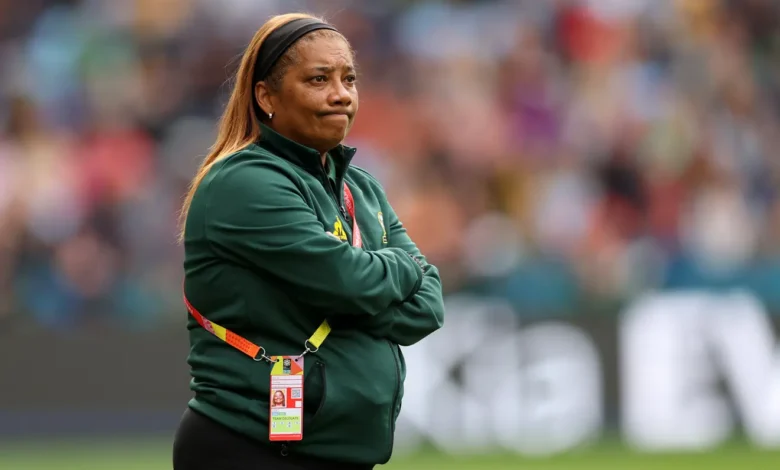
Banyana Banyana head coach Dr Desiree Ellis has welcomed the Confederation of African Football’s revised schedule for the 2026 Women’s Africa Cup of Nations, praising the organisation for placing player welfare at the centre of its planning. The updated fixtures include a later start date, improved recovery time between matches, and adjusted logistical arrangements for participating teams. South Africa, the reigning 2022 champions, will now begin their campaign under slightly revised conditions that Ellis believes will benefit performance and preparation. The tournament will now kick off on 26 July 2026, a day later than initially planned, with Banyana Banyana set to feature on the second day of action. These adjustments have been received positively within the South African camp.
One of the key changes highlighted by Dr Ellis is the increased recovery period between matches. Teams will now have three days of rest instead of the previously scheduled two, which she described as a meaningful improvement. She noted that the decision reflects greater consideration for player welfare, especially given the expected heat conditions during the tournament in Morocco. Longer recovery time is expected to reduce fatigue and lower the risk of injuries across the competition. For a physically demanding tournament like WAFCON, this adjustment is seen as a significant step forward in tournament planning.
Ellis also pointed out that the updated structure allows teams to prepare more effectively between fixtures. With additional recovery time, technical staff can now plan training sessions with greater precision and focus on tactical adjustments. This is particularly important in group-stage matches where quick turnaround times often limit preparation. The revised schedule gives coaching teams more flexibility in managing player workload and match readiness. For Banyana Banyana, this could play a crucial role in maintaining consistency throughout the group stage.
South Africa will compete in Group B and play all their group matches at the Moulay Rachid Stadium in Casablanca. Their opening match is scheduled for 27 July 2026 against Tanzania at 18h00 local time, which is 19h00 South African time. Four days later, they will face Côte d’Ivoire at the same venue and same kick-off time. Their final group-stage match will be against Burkina Faso at 22h00 South African time, completing a structured and balanced group schedule. This consistency in venue is expected to reduce travel strain and help the team settle into a rhythm.
Dr Ellis has also expressed excitement about having confirmed fixtures, which now allow the technical team to finalise detailed preparations. She explained that clarity around match dates and opponents helps with planning training cycles, player conditioning, and tactical execution. With uncertainty removed, the focus now shifts fully to performance preparation and squad selection. She confirmed that the team will soon announce their final squad as part of their build-up process. This structured approach is designed to ensure that Banyana Banyana arrive at the tournament fully prepared.
Beyond South Africa’s group stage, the 2026 WAFCON carries added significance as it doubles as a qualification pathway for the 2027 FIFA Women’s World Cup in Brazil. The top four teams from the tournament will secure automatic qualification for the global event. This raises the stakes for all 16 participating nations and adds further pressure to each stage of the competition. For defending champions Nigeria, as well as strong contenders like Morocco and Ghana, the competition will be highly competitive. South Africa will aim to repeat their strong performances from recent tournaments to secure another World Cup berth.
Hosts Morocco will begin the tournament on 26 July 2026 with an opening match against Kenya at the Moulay Al Hassan Stadium in Rabat. The tournament structure includes quarter-finals scheduled for 8 and 9 August across multiple venues in Rabat and Casablanca. Semi-final matches will take place on 12 August, while the third-place playoff is set for 15 August. The final will be played on 16 August at either Moulay El Hassan Stadium or Moulay Abdallah Stadium. These arrangements reflect a wide distribution of matches across Morocco’s key football cities.
Nigeria enter the tournament as defending champions after defeating Morocco in the previous final, with Ghana securing third place and South Africa finishing fourth. This recent history sets the stage for another competitive edition of the tournament, where margins between top teams remain narrow. Banyana Banyana will aim to build on their previous performance and push further in the knockout stages. With improved scheduling, clearer preparation timelines, and strong tournament incentives, expectations will be high. For Dr Ellis and her squad, the focus now shifts to execution and consistency on the road to another potential historic campaign.


