Banyana Banyana Drawn Against Chinese Taipei, Ecuador and Uzbekistan in FIFA Women’s World Cup 2027 Play-Offs
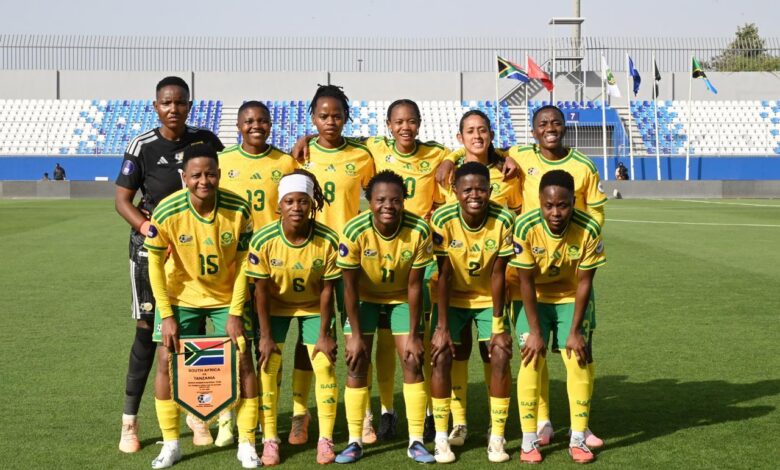
Sasol Banyana Banyana have been handed a challenging but manageable route to the FIFA Women’s World Cup 2027 after being drawn against Chinese Taipei, Ecuador and Uzbekistan in the Preliminary Phase of the play-off tournament. The draw took place at FIFA Headquarters in Zurich, Switzerland, on Thursday, giving South Africa a clear picture of the opponents standing between them and another appearance at the global showpiece. The matches will be played during the international window from 24 November to 5 December 2026, although FIFA has yet to announce the venue for the tournament. Banyana Banyana will need to produce consistent performances from the opening match because only the top two teams from the mini tournament will advance to the final phase. With the World Cup qualification race reaching a decisive stage, South Africa cannot afford a slow start.
The Preliminary Phase features six teams from five confederations, with South Africa and Ghana representing CAF, Chinese Taipei and Uzbekistan representing the AFC, Ecuador coming from CONMEBOL and Papua New Guinea representing the OFC. The format places significant importance on every match because the teams are competing for a limited number of places in the next stage. Banyana Banyana will face Chinese Taipei, Ecuador and Uzbekistan as they attempt to finish among the top two teams in their group. The compact nature of the tournament means there will be little opportunity to recover from a poor result. South Africa’s preparation, squad management and ability to adapt quickly to different opponents will therefore be crucial throughout the competition.
Banyana Banyana head coach Dr Desiree Ellis acknowledged that the draw is not straightforward but believes South Africa have the quality to progress if they start strongly. Ellis stressed the importance of the opening fixture because an early defeat would place additional pressure on the remaining matches. Her comments underline the reality of the tournament format, where every point and goal could have a major influence on the final standings. South Africa will enter the play-offs with confidence after defeating Nigeria, a result that provided the squad with an important psychological boost. The players were reportedly eager to learn their opponents and can now begin preparing specifically for the teams they will face in November and December.
The match against Uzbekistan will give Banyana Banyana an opponent they already know to some extent, which could provide useful information during the preparation period. South Africa have previously faced Uzbekistan, giving the technical team some experience of their style and the qualities they bring to a match. However, Chinese Taipei and Ecuador will present less familiar challenges and will require detailed scouting and tactical preparation. The coaching staff will need to study the strengths and weaknesses of each opponent while ensuring the players understand the different tactical demands. Familiarity with one opponent should help, but South Africa cannot underestimate any of the teams because the tournament’s short format leaves little room for mistakes.
Ellis also highlighted the importance of focusing on the Preliminary Phase rather than looking too far ahead to the final stage. That approach could help the players maintain concentration because qualifying for the next phase is the immediate objective. South Africa need to finish in the top two before they can begin thinking about the final knockout stage in February 2027. The team will have an opportunity to build momentum before the play-offs, with an Olympic qualifier scheduled for October providing another competitive fixture. That match should give Ellis and her technical team valuable time to assess the squad, refine tactical plans and ensure key players enter the play-off tournament with sufficient match fitness.
The timing of the tournament means player fitness and squad depth could become decisive factors. The matches will take place over a relatively short period, making recovery and rotation important considerations for the coaching staff. Banyana Banyana will need players who can maintain their intensity across multiple fixtures while also adapting to different opponents. Having a squad with enough experience and quality to rotate without significantly reducing performance levels could give South Africa an advantage. The October Olympic qualifier should also help the coaching staff identify the strongest combination of players before the World Cup play-offs begin.
The top-two finish required in the Preliminary Phase is only the first part of South Africa’s route to the 2027 FIFA Women’s World Cup. The two teams that progress will join four other nations in the final phase scheduled for February 2027. That group will include one team from UEFA, one from CONMEBOL and two from CONCACAF, creating another highly competitive stage. The final phase will feature single knockout matches, increasing the pressure because one poor performance could end a team’s World Cup hopes. The last three teams standing will earn qualification for the tournament in Brazil, making the final stage particularly unforgiving.
South Africa’s recent success against Nigeria will provide Banyana Banyana with valuable confidence as they prepare for the play-offs. Matches against strong African opponents have helped the squad develop the resilience required for high-pressure international football. That experience could prove useful when the team faces opponents from different confederations and playing backgrounds. However, confidence alone will not be enough, especially against teams South Africa have limited experience of facing. Ellis and her coaching staff will need to use the months before November to build a detailed plan that covers set pieces, defensive organisation, attacking transitions and the demands of each individual opponent.
The wider African qualification picture also demonstrates how competitive the race for the 2027 World Cup has become. Cameroon, Malawi, Algeria and Morocco are among the African nations already confirmed as qualified alongside the other teams that have secured their places. Banyana Banyana will be determined to join the continent’s representatives at the tournament in Brazil, but their route is now dependent on successfully navigating the play-off system. South Africa have the experience of competing at previous World Cups and will want to use that knowledge when the pressure increases. The players also understand that the play-offs represent their final opportunity to secure a place at the global tournament.
The draw has given Banyana Banyana a clear challenge and an opportunity to control their own destiny. Chinese Taipei, Ecuador and Uzbekistan are the three opponents standing between South Africa and a place in the final phase, and the team will need to treat every fixture with maximum importance. As Ellis pointed out, the first match could set the tone for the entire campaign because a strong opening result would provide momentum and reduce the pressure going into the second fixture. South Africa have time to prepare, an October Olympic qualifier to sharpen the squad and the confidence that comes from beating Nigeria. If Banyana Banyana combine that confidence with disciplined preparation and consistent performances, they will have a realistic opportunity to reach the final phase and move one step closer to qualifying for the FIFA Women’s World Cup 2027 in Brazil.