Aubrey Lekwane Defends Relebohile Mofokeng After Orlando Pirates Loss to Mamelodi Sundowns

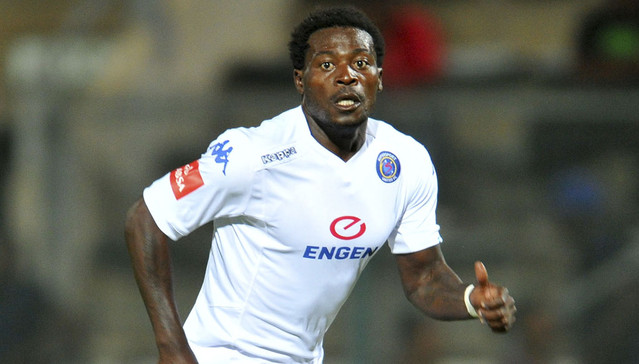
Former Orlando Pirates fan favourite Aubrey Lekwane has stepped in to defend rising star Relebohile Mofokeng after criticism followed his quiet performance against Mamelodi Sundowns. Expectations were high for the young attacker heading into the clash at FNB Stadium, especially after scoring in three consecutive matches. Fans hoped he would play a decisive role in a high stakes encounter that had implications at the top of the league table. Instead, Pirates suffered a narrow 2-1 defeat that reduced their lead and gave Sundowns momentum with a game still in hand. The result placed pressure on the squad and intensified scrutiny on individual performances, particularly those of younger players. Mofokeng found himself at the center of that attention despite the broader tactical issues that affected the team.
Lekwane addressed the situation with a measured perspective, pointing out that inconsistency is part of football and should not define a young player’s ability. He made it clear that one performance does not erase the progress Mofokeng has shown in recent weeks. He also shifted focus toward structural problems within the team, especially the lack of service from midfield that limited attacking options. According to Lekwane, both Mofokeng and Oswin Appollis were forced to drop deeper to collect the ball, which reduced their effectiveness in advanced positions. This disrupted the attacking rhythm and made it easier for Sundowns to control the game. His comments highlight the importance of midfield support in modern football, where attackers rely heavily on consistent supply to influence matches.
A key point raised by Lekwane was the tactical adjustment involving Mofokeng’s role on the field. The young player had recently been deployed as an attacking midfielder, a position that allowed him more freedom and involvement in playmaking. However, in this match, he was moved back to a winger role, which limited his influence and required a different skill set. Lekwane suggested that such changes can frustrate players, especially those still developing their understanding of the game. He stressed the need for stability in positioning so that players can refine their strengths and build confidence. Constant shifts can slow development and create uncertainty during critical moments in matches. This observation points to the broader challenge of balancing tactical flexibility with player growth.
Lekwane also addressed expectations placed on Mofokeng, warning against putting too much responsibility on a young talent. He emphasized that while Mofokeng has strong football intelligence, he is still gaining experience at the highest level. Expecting him to carry the team or take on leadership roles prematurely could hinder his progress. Development requires time, consistent guidance and the right environment to grow without excessive pressure. Lekwane’s remarks serve as a reminder that young players need support rather than criticism during difficult moments. His stance reflects a long term view that prioritizes growth over immediate results.
The loss to Sundowns exposed areas that Pirates need to address if they want to maintain their position in the title race. The midfield must improve its ability to link play and provide consistent service to attackers. Tactical decisions must align with player strengths to maximize performance in key matches. At the same time, the team must protect and nurture emerging talents like Mofokeng to ensure sustained success. Lekwane’s defense of the youngster adds an important voice to the conversation, one grounded in experience and understanding of the game. Pirates will need to respond quickly as the season progresses, with every match carrying increased significance in the battle for the league title.