Kaizer Chiefs Coach Fernando Da Cruz Faces Early Criticism as Fees Moloi Questions His Confidence
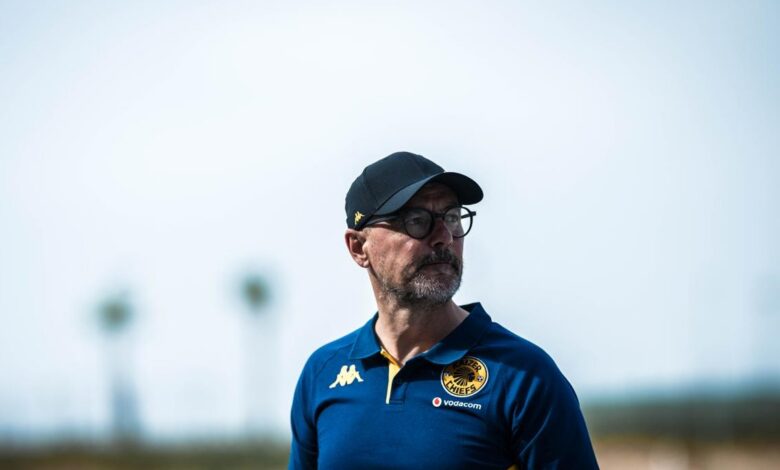
Kaizer Chiefs head coach Fernando Da Cruz has come under intense scrutiny before the new season has even begun, with club legend Fees Moloi accusing the French coach of preparing excuses in case results do not go his way. Da Cruz recently spoke about the challenges facing the Amakhosi squad, suggesting that the current group lacks the depth and tactical flexibility needed to compete consistently across multiple competitions. His comments have sparked debate among supporters and former players, especially as Kaizer Chiefs prepare for another demanding campaign in the Betway Premiership and the CAF Confederation Cup. While some believe the coach was simply offering an honest assessment of the squad, others feel such remarks send the wrong message ahead of the new season. Moloi is among those who believe the coach’s public statements raise serious concerns about his confidence and approach.
Fernando Da Cruz arrived at Naturena with the responsibility of leading one of South Africa’s biggest football clubs back to consistent success. Expectations at Kaizer Chiefs are always high, regardless of the challenges facing the squad or the level of competition in domestic football. Supporters expect the team to challenge for major trophies every season, making the role of head coach one of the most demanding in the country. Before the season has officially started, however, Da Cruz has already highlighted concerns about the balance and depth of his squad. He also acknowledged that competing in both the Betway Premiership and the CAF Confederation Cup would place additional pressure on the available players.
Those comments have not been well received by former Chiefs striker Fees Moloi, who believes the coach is already creating reasons to justify possible shortcomings during the season. Speaking about Da Cruz’s remarks, Moloi argued that the coach appears to be lowering expectations before competitive football has even begun. According to the former striker, this approach reminds him of former Kaizer Chiefs coach Nasreddine Nabi, who also faced criticism for discussing the team’s limitations during his time at the club. Moloi believes Da Cruz is following a similar pattern by publicly identifying weaknesses instead of focusing on solutions. In his opinion, such statements can create unnecessary doubt around the squad before the campaign gets underway.
Moloi did not hold back in expressing his concerns, suggesting that Da Cruz’s comments reflect a lack of confidence in his own abilities. He argued that if the coach believed the squad was not capable of competing at the required level, those issues should have been addressed before accepting the position. According to Moloi, the responsibility of any Kaizer Chiefs coach is to improve the players available and prepare them to compete against the best teams in South African football. Rather than discussing limitations publicly, he believes the focus should remain on developing solutions through coaching and preparation. His criticism reflects the high standards traditionally associated with the club.
The comparison with Nasreddine Nabi has become one of the most talked-about aspects of Moloi’s comments. Nabi’s tenure at Kaizer Chiefs generated mixed reactions, with many supporters acknowledging the challenges he faced while others questioned some of his public statements regarding the squad. Moloi believes Da Cruz’s recent comments echo a similar tone, raising concerns that history could repeat itself if confidence within the camp begins to decline. While the two coaches have different styles and philosophies, the perception created by public communication can significantly influence supporter expectations. As a result, Da Cruz now finds himself under pressure to prove that his words were intended to highlight areas for improvement rather than prepare excuses.
Another factor contributing to the debate is Kaizer Chiefs’ activity in the transfer market. Some supporters have questioned whether the club has strengthened sufficiently ahead of the new season, particularly with additional fixtures expected in continental competition. Da Cruz’s remarks about squad depth have increased speculation that he would like further reinforcements before the transfer window closes. Building a squad capable of competing across multiple competitions requires careful planning, especially when injuries and fixture congestion become factors during the season. Whether Chiefs will respond by bringing in additional players remains to be seen.
Moloi believes that discussions about squad requirements should have taken place privately before Da Cruz accepted the coaching role. He questioned why a coach would agree to lead Kaizer Chiefs if he did not believe the existing squad could compete effectively. In Moloi’s view, any requests for new signings should have formed part of the negotiations before the appointment was finalized. He suggested that if strengthening certain positions was essential for success, those conditions should have been communicated clearly to the club’s management from the beginning. His comments place additional attention on the relationship between the coach and the club’s leadership.
As the new season approaches, Da Cruz will have an opportunity to respond to criticism through performances on the pitch. Football often changes quickly, and early positive results can transform public opinion within a matter of weeks. The coach will be expected to prepare his team for important league fixtures while also balancing the demands of continental football. Success in the opening matches could reduce concerns surrounding his comments and demonstrate that his assessment of the squad was simply part of a realistic planning process. On the other hand, disappointing results are likely to increase scrutiny from supporters and former players alike.
The debate surrounding Fernando Da Cruz highlights the enormous pressure that comes with coaching Kaizer Chiefs. Every public statement, tactical decision and result is closely examined because of the club’s rich history and high expectations. Fees Moloi believes the coach’s recent comments suggest a lack of confidence and resemble the approach taken by former coach Nasreddine Nabi, while others may interpret them as an honest evaluation of the team’s current situation. Ultimately, only results on the field will determine whether Da Cruz’s concerns were justified or whether he can successfully guide the Amakhosi back into contention for major honours. As the new season begins, all eyes will be on Naturena to see whether the French coach can silence his critics and deliver the competitive performances expected by one of South Africa’s biggest football clubs.