Kaizer Chiefs Handed Luke Baartman Injury Concern After South Africa U23 Draw With Algeria
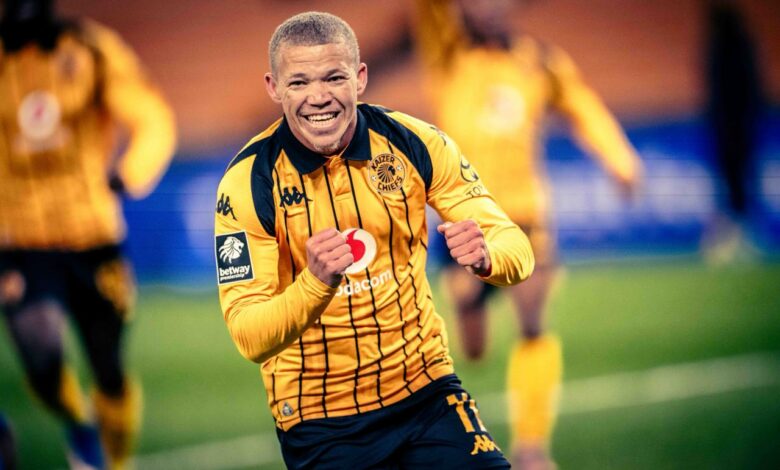
Kaizer Chiefs have been handed a fresh injury concern after promising attacker Luke Baartman was forced off during South Africa Under-23’s 1-1 international friendly draw against Algeria on Sunday afternoon. The young forward appeared to be in significant discomfort towards the end of the first half and could not continue the match. His early withdrawal will be closely monitored by the Amakhosi medical team when he returns to club duty. The injury comes at an unfortunate time for Kaizer Chiefs, who have already dealt with fitness setbacks among their attacking options this season. At this stage, there is no confirmed indication of the severity of Baartman’s problem, meaning the club will need to wait for further medical assessment before determining his availability.
South Africa U23 used the match against Algeria as part of their preparations for the Olympic Qualifiers. The encounter provided another competitive test for the young squad as the coaching staff continued assessing different combinations and players. Karabo Mogudi stood in for head coach Raymond Mdaka and was forced into an early tactical adjustment after Baartman was unable to complete the opening half. Stellenbosch FC striker Quwan Plaatjies was introduced to take over the centre-forward role. The change allowed South Africa to maintain their attacking structure despite losing one of their promising forwards before halftime.
Baartman’s injury was particularly concerning because of the timing of his withdrawal. The forward had managed to take part in the match before appearing to suffer discomfort as the first half approached its conclusion. The medical team quickly recognised that he could not continue and signalled for the substitution. Rather than risk worsening the problem in a friendly match, South Africa made the necessary change and brought Plaatjies into the contest. Kaizer Chiefs will now be hoping that the decision was primarily precautionary and that Baartman can return to action without an extended rehabilitation period.
The match itself saw South Africa make six personnel changes from their previous outing, giving several players another opportunity to impress the coaching staff. New England Revolution defender Tylon Smith came into the defence, while Kgoleng Ratisani replaced Tyler Fletcher-Rowe in goal. The changes created a different team dynamic but did not prevent South Africa from competing against an Algeria side that displayed technical quality. The hosts remained organised and matched their opponents for long periods during the opening half. The performance therefore offered useful preparation for the challenges that will come during the Olympic qualifying campaign.
South Africa eventually broke the deadlock in the 34th minute through a goal created by Kutlwano Letlhaku. The winger showed determination and quality on the left flank as he carried the ball forward and beat his marker. He then delivered a dangerous cross into the penalty area that was deflected into the Algerian goal by defender Faiz Belgouirai. The goal rewarded South Africa for their attacking intent and gave the hosts a 1-0 advantage. It also demonstrated the value of individual initiative in a match where both teams were attempting to impose their style.
Algeria responded quickly after South Africa took the lead and found an equaliser following a lapse in defensive concentration. Benahmed Kohili was allowed too much space inside the penalty area after being left unmarked. The Algerian attacker took advantage of the opportunity and finished from close range to make the score 1-1. South Africa were unable to restore their advantage before halftime, despite remaining competitive. The equaliser highlighted the fine margins involved in international football, particularly at youth level where defensive organisation remains an important part of player development.
The second half presented South Africa with opportunities to regain control of the match. Plaatjies came close after receiving an opportunity inside the penalty area and showed good composure as he worked his way past a defender. His movement created a one-on-one situation with the Algerian goalkeeper, giving South Africa a strong chance to reclaim the lead. The chance ultimately did not result in a second goal, leaving the score level as the match entered its closing stages. Plaatjies’ involvement also underlined how quickly young players can be required to step into important roles when injuries force changes.
South Africa continued pushing for a winning goal as the final whistle approached. The hosts committed more players forward and looked for a breakthrough against a disciplined Algerian defence. Their best late opportunity arrived with seven minutes remaining when Faiz Abrahams produced a first-time effort that appeared destined for the net. An Algerian defender managed to recover and block the attempt on the goal line, denying South Africa a dramatic late winner. The final score remained 1-1, giving both sides a competitive result from a match that provided valuable preparation for their respective objectives.
For Kaizer Chiefs, however, the result will take a back seat to the condition of Baartman. The young attacker has attracted attention as one of the club’s promising players, making his fitness an important issue for the Amakhosi. His forced substitution means the club will want a clear medical assessment before making any decision about his return to training or competitive action. Without confirmed details about the injury, it would be premature to suggest that Baartman faces a lengthy absence. The most immediate concern is establishing the nature of the problem and determining whether he requires treatment, rehabilitation or simply a period of rest.
The timing of the setback also adds pressure because Kaizer Chiefs have already experienced injury problems in their attacking department this season. Losing another offensive option could create further selection challenges for the coaching staff if Baartman is unavailable for upcoming fixtures. His ability to contribute provides another option in the forward areas, particularly as the club continues managing its squad across a demanding season. The medical team will therefore have an important role in ensuring that any return is handled carefully. Rushing a player back before he has fully recovered could create a greater problem, so the priority will be an accurate assessment rather than an immediate return.
Baartman’s situation also illustrates the risks involved when clubs release young players for international duty. Representing South Africa at Under-23 level provides valuable experience and allows emerging players to test themselves against strong opposition such as Algeria. At the same time, every international fixture carries the possibility of injury, leaving clubs dependent on the medical information available after a player is withdrawn. In Baartman’s case, South Africa acted quickly once he showed signs that he could not continue. Kaizer Chiefs will now wait for the full assessment before determining what the injury means for his club commitments.
The 1-1 draw ultimately gave South Africa U23 another useful test as they continue preparing for the Olympic Qualifiers, but Baartman’s injury will remain the main talking point for Kaizer Chiefs supporters. The young attacker could not finish the first half and was replaced by Plaatjies, leaving the Amakhosi eager for clarity about his condition. No long-term absence has been confirmed, so there is still reason for cautious optimism surrounding his situation. The club’s medical staff will now assess him carefully and determine the appropriate next step. Until that assessment is completed, Kaizer Chiefs and their supporters will hope that Luke Baartman’s withdrawal proves to be a temporary setback rather than another significant blow to the team’s attacking options.