Orlando Pirates Coach Abdeslam Ouaddou Reveals the Secret Behind Seven Clean Sheets in Eight League Matches
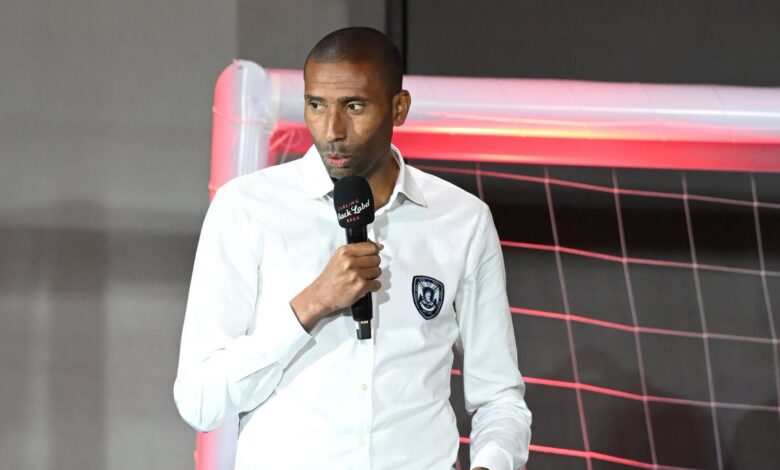
Orlando Pirates head coach Abdeslam Ouaddou has revealed the tactical philosophy behind his team’s impressive defensive record in the Betway Premiership, with the Buccaneers keeping seven clean sheets in their first eight league matches. The Soweto giants have established themselves as one of the toughest teams to break down in South African football, combining defensive discipline with a clear approach to winning back possession. Their latest clean sheet came in a convincing 3-0 victory over TS Galaxy, further highlighting the effectiveness of Ouaddou’s methods. The Moroccan coach believes that defensive success depends on more than the quality of individual defenders, as every player must understand their responsibilities when the team loses possession. His approach places a strong emphasis on mentality, aggression, coordination and collective commitment, qualities that have helped Pirates build a solid foundation for their campaign.
Ouaddou’s defensive philosophy reflects his experience as a former professional defender who spent 17 years playing football in Europe. His background has shaped his understanding of the importance of organisation and discipline, particularly when teams move between attacking and defensive phases. While Pirates want to control games and create scoring opportunities, the coach expects his players to change their mindset immediately when possession is lost. He believes that teams cannot defend effectively if their players continue to approach the game with the same mentality they use when attacking. Instead, every player must recognise the change in circumstances and respond with the urgency required to regain control. This ability to switch between attacking ambition and defensive responsibility has become a central part of Pirates’ approach under Ouaddou.
Explaining his philosophy, Ouaddou used a vivid comparison to describe the difference between attacking and defending. He said players could wear a suit and tie when the team had possession, but they needed to change into overalls when it was time to defend. The comparison reflects his belief that attacking football requires creativity and composure, while defending demands hard work, intensity and a willingness to compete for every ball. Ouaddou explained that players must quickly adjust their rhythm when possession changes hands and become more aggressive in their efforts to recover the ball. His message is that defensive work cannot be treated as a secondary responsibility reserved for defenders alone. Every player must contribute to the collective effort if the team wants to remain organised and prevent opponents from creating clear scoring opportunities.
The Pirates coach also stressed the importance of resilience, character and personality in building a reliable defensive unit. According to Ouaddou, players need the mental strength to respond quickly when the opposition gains possession and begins an attack. They must also understand how their individual movements affect the shape of the entire team. If one player fails to press at the correct moment or leaves an opponent unmarked, the defensive structure can quickly become vulnerable. This is why Ouaddou places so much emphasis on coordination and shared understanding during training sessions. He wants his players to react to different situations collectively rather than make isolated decisions that could expose the team.
Another important element of the Orlando Pirates defensive system is knowing when and where to recover possession. Ouaddou believes players need clear instructions that help them identify the right moment to press, close passing lanes or drop into defensive positions. These decisions must happen quickly because opponents can exploit even brief moments of hesitation. By giving players clear reference points, the coaching staff aims to ensure that the team responds consistently when possession changes. The objective is not simply to chase the ball but to recover it through coordinated movement and intelligent positioning. When every player understands the plan, Pirates can put pressure on opponents without unnecessarily opening spaces behind their defensive line.
Ouaddou acknowledged that developing this level of defensive organisation takes time and patience. Players must learn the system through repeated training, match experience and a clear understanding of what the coaching staff expects from them. The process can be challenging because defensive coordination depends on the decisions of all eleven players on the pitch. Even when most of the team follows the plan, one player failing to track an opponent or press at the correct time can undermine the entire structure. Ouaddou described this as a machine that must be properly maintained, explaining that the system can fail when even one player does not fulfil their responsibility. His comments underline the importance of consistency and concentration in maintaining Pirates’ impressive clean-sheet record.
The coach made it clear that discipline and commitment are non-negotiable parts of his philosophy. Defensive success requires players to work for one another, follow tactical instructions and remain focused throughout the match. It also demands physical effort, particularly when opponents attempt to move the ball quickly or exploit spaces during transitions. Pirates must be willing to press collectively, recover their positions and protect dangerous areas even when they are under sustained pressure. This approach places responsibility on the entire squad rather than allowing a few defenders to carry the burden alone. The result has been a more coordinated defensive unit capable of limiting opponents’ opportunities and protecting leads more effectively.
Keeping seven clean sheets in eight Betway Premiership matches represents a strong start for Orlando Pirates, although the statistic alone does not explain every aspect of their defensive performance. Clean sheets also depend on goalkeeper contributions, individual defensive actions, midfield protection and the ability to manage difficult moments during a match. Ouaddou’s comments show that he sees these elements as interconnected parts of a larger tactical system. A well-organised team can reduce the number of dangerous situations it faces by pressing effectively and preventing opponents from progressing into threatening areas. This can also support the attacking players by giving them a stable platform from which to create chances. For Pirates, defensive organisation is therefore not only about preventing goals but also about improving the team’s overall balance.
The Buccaneers’ defensive strength also carries importance in their pursuit of domestic success. A team that consistently limits opponents’ scoring opportunities gives itself a better chance of collecting points, particularly in matches where goals are difficult to find. Maintaining that standard over an entire season, however, requires constant work because opponents will study Pirates’ tactics and look for weaknesses to exploit. Injuries, suspensions, fixture congestion and changes in form can also test the depth and consistency of the squad. Ouaddou will need his players to preserve their concentration and commitment as the competition becomes more demanding. His challenge will be to ensure that the defensive principles remain effective while allowing Pirates to maintain their attacking threat.
Orlando Pirates’ seven clean sheets in eight Betway Premiership matches reflect a defensive approach built around discipline, aggression, coordination and collective responsibility. Abdeslam Ouaddou has explained that players must quickly change their mindset when possession is lost, moving from the creativity of attacking football to the hard work required to defend. His emphasis on clear instructions and shared commitment shows why every player has a role in protecting the team’s goal. The impressive record offers encouragement, but sustaining it will require continued training, concentration and consistent performances from the entire squad. If Pirates continue to apply Ouaddou’s principles effectively, their defensive organisation could remain a major strength as they pursue their ambitions in South African football.