Pitso Mosimane Addresses Bafana Bafana Coaching Speculation as Hugo Broos’ Future Remains Uncertain
Former Mamelodi Sundowns and Al Ahly head coach Pitso Mosimane has spoken publicly about the growing speculation linking him with a return to the Bafana Bafana coaching position. His comments come at a time when uncertainty surrounds the future of current national team coach Hugo Broos, whose contract has reached its conclusion without an official renewal from the South African Football Association (SAFA). While Broos has enjoyed one of the most successful coaching spells in recent Bafana Bafana history, reports continue to suggest that SAFA is evaluating its long-term options. Mosimane has now confirmed that discussions have taken place between the football federation and several experienced coaches regarding the future direction of the national team. His remarks have reignited debate over who is best positioned to guide South Africa into its next chapter of international football.
Hugo Broos leaves behind an impressive record after helping transform Bafana Bafana into a competitive force on the African continent. Under his leadership, South Africa secured a bronze medal at the 2024 Africa Cup of Nations, restoring confidence in a team that had struggled for consistency over the previous decade. The Belgian coach also guided the national side through a successful 2026 FIFA World Cup qualifying campaign, placing South Africa in a strong position ahead of the tournament. His disciplined approach, emphasis on teamwork and willingness to trust emerging talent earned widespread praise from supporters and football analysts alike. Despite these achievements, SAFA has confirmed that his contract has not yet been extended as it continues reviewing its coaching plans.
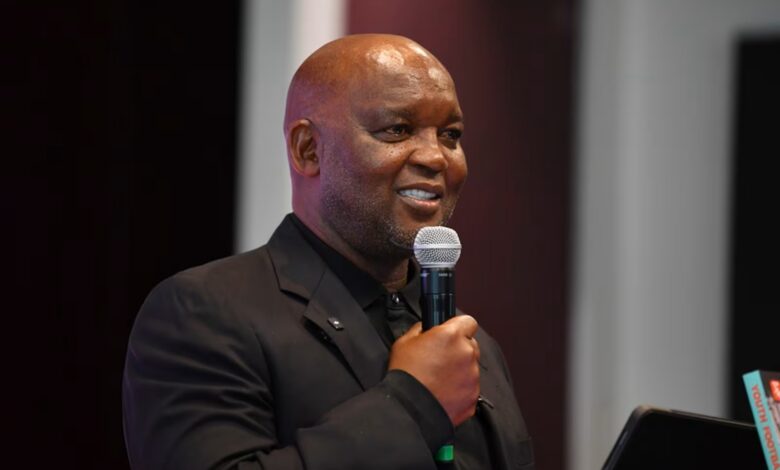
Speaking during the launch of his new book, Youth Football Coaching Manual, in Johannesburg, Mosimane addressed the widespread reports about the national team vacancy. He explained that he was unsure of the exact status of Hugo Broos’ contract but acknowledged that SAFA had been consulting experienced football figures about the future of Bafana Bafana. According to Mosimane, these conversations focused on succession planning rather than simply appointing the next coach. He said the discussions included questions about each candidate’s football philosophy, long-term vision and strategies for taking the national team to an even higher level. His comments suggested that SAFA is looking beyond immediate results and considering how South African football can continue developing over the coming years.
Mosimane stressed that every successful football team should constantly aim to improve regardless of previous achievements. He explained that while qualifying for major tournaments and reaching the latter stages of continental competitions are important accomplishments, they should not represent the final objective. Instead, he believes South Africa should target deeper runs in international tournaments and consistently compete against the continent’s strongest teams. He pointed out that Bafana Bafana have previously qualified for World Cups and won the Africa Cup of Nations, proving that the country has already reached high standards in the past. For Mosimane, the challenge is not simply maintaining those achievements but building upon them to reach new milestones.
Drawing on his own coaching career, Mosimane highlighted how success should always create opportunities for further growth rather than complacency. He reflected on leaving Mamelodi Sundowns after winning the CAF Champions League, noting that the club continued striving for additional continental success after his departure. He also referenced the domestic treble achieved during his time with Sundowns, emphasizing that football clubs and national teams should never depend on one individual for sustained excellence. According to Mosimane, every coach has a responsibility to leave a team stronger than when they first arrived. His belief that “no one is indispensable” reinforced his message that progress comes through continuous improvement rather than relying on individual personalities.
Mosimane’s coaching credentials make him one of the strongest candidates should the Bafana Bafana position officially become available. His previous spell as South Africa’s national team coach between 2010 and 2012 provided him with valuable international experience despite mixed results during that period. Since then, his reputation has grown significantly through remarkable achievements across African football. He guided Mamelodi Sundowns to CAF Champions League glory before repeating continental success with Egyptian giants Al Ahly, winning multiple Champions League titles and establishing himself among Africa’s elite coaches. His tactical flexibility, ability to manage high-pressure situations and proven record of winning major trophies continue to strengthen calls for his return to the national team.
Beyond his club achievements, Mosimane has also become an influential figure in football development across Africa. The launch of his Youth Football Coaching Manual reflects his commitment to improving coaching standards and nurturing the next generation of players and coaches. Throughout his career, he has consistently emphasized youth development, structured coaching education and professional football management. These values align closely with SAFA’s long-term ambitions to strengthen football from grassroots level through to the senior national team. Many observers believe his experience both on and off the field could provide valuable leadership if he were appointed as Bafana Bafana head coach once again.
The timing of SAFA’s decision is particularly important because Bafana Bafana are preparing for the 2027 Africa Cup of Nations qualifying campaign. South Africa has been drawn alongside Kenya and other opponents in a group that will require consistent performances to secure qualification. With the qualifiers scheduled to begin in September, the national team needs clarity regarding its coaching structure to maintain momentum built during Hugo Broos’ tenure. Any prolonged uncertainty could affect preparations as players adapt to potential tactical changes or a new coaching philosophy. Selecting the right coach will therefore be critical to ensuring continuity while also pursuing greater success on the international stage.
The discussion surrounding Pitso Mosimane and the Bafana Bafana coaching position highlights both the progress South African football has made and the expectations that now exist for future success. Hugo Broos has raised standards by delivering strong tournament performances and restoring belief within the national team, while Mosimane has made it clear that he believes even greater achievements remain possible. His comments demonstrate confidence in South Africa’s football potential and underline the importance of having a clear vision for the years ahead. Whether SAFA ultimately chooses Mosimane or another candidate, the next appointment will play a significant role in shaping the future of Bafana Bafana. As the 2027 AFCON qualifiers approach, South African football supporters will be watching closely to see who is entrusted with leading the national team into its next era.