SAFA Faces Growing Pressure as Bafana Bafana Enter AFCON Qualifiers Without a Head Coach
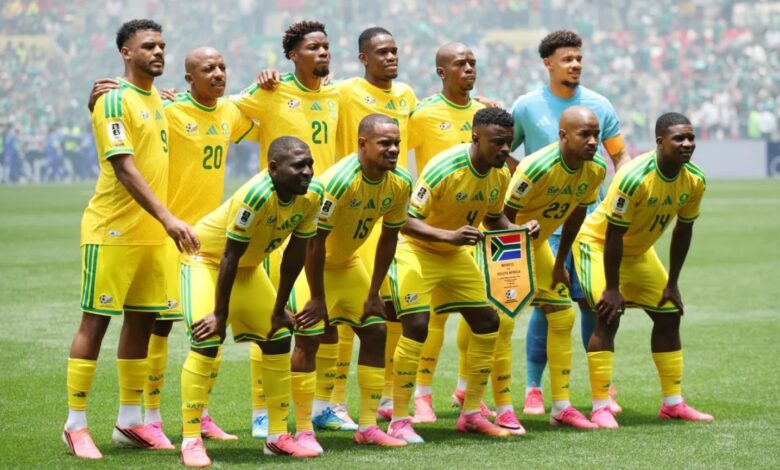
The South African Football Association is facing an increasingly serious situation with Bafana Bafana just weeks away from the start of their 2027 Africa Cup of Nations qualifying campaign. The senior men’s national team remains without a formally appointed head coach following Hugo Broos’ decision not to renew his contract after five years in charge. With South Africa scheduled to begin their qualifying campaign against Guinea on 23 September 2026, the lack of clarity over the coaching position is becoming increasingly concerning. The timing leaves SAFA with limited room to complete negotiations, appoint a technical team and give the new coach enough time to prepare the players. Bafana Bafana are entering a demanding qualification group, making the uncertainty around the coaching position even more significant. The football association must now act quickly if it wants the national team to begin the campaign with adequate preparation and a clear tactical direction.
Broos’ departure was expected after the Belgian coach completed his five-year contract with Bafana Bafana. During his tenure, he helped rebuild the national team and guided South Africa through several important international campaigns. His decision to step away created the need for SAFA to identify a successor capable of maintaining the progress made under his leadership. However, the appointment process has taken longer than many supporters expected. The situation is particularly concerning because SAFA has already identified Pitso Mosimane as its primary target for the vacant position. Mosimane is reportedly the preferred candidate following approval from the association’s National Executive Committee, but negotiations have yet to produce an official announcement.
The delay surrounding Mosimane’s potential appointment appears to involve several unresolved issues. Reports indicate that discussions have stalled partly because Mosimane wants to have greater control over the composition of his technical team. The former Bafana Bafana coach also reportedly has concerns about the salary package currently being offered. These matters are important because a national team coach needs to have sufficient authority and resources to implement his preferred approach. However, with the AFCON qualifiers approaching rapidly, SAFA cannot afford to allow negotiations to continue indefinitely. Every additional day without a confirmed coach reduces the amount of time available for preparation before the opening fixture.
Mosimane’s potential return would also carry significant expectations because of his reputation in South African football. He previously coached Bafana Bafana and has enjoyed major success at club level, including leading Mamelodi Sundowns to the CAF Champions League title. His experience could make him a logical candidate to take over a national team that recently achieved improved stability under Broos. However, bringing back a high-profile coach also requires the federation to agree on important issues surrounding authority, remuneration and staffing. If Mosimane is appointed, he would need to establish his own tactical identity while working with players who have become accustomed to the previous coaching structure. The longer the appointment takes, the less time he would have to make those adjustments before competitive matches begin.
The first test is already clearly defined, with South Africa scheduled to host Guinea on Wednesday, 23 September 2026. The venue for the opening match had not yet been confirmed at the time of the report, adding another logistical matter for SAFA to manage. Bafana Bafana will then travel to face Eritrea just four days later on 27 September. That fixture is expected to take place in Egypt because of stadium compliance restrictions affecting Eritrea’s ability to host the match in Asmara. The tight turnaround between the two fixtures makes early preparation particularly important because the new coach will have very little time to introduce major tactical changes.
The qualifying schedule means the incoming coach will face immediate pressure. Players are expected to report for national camp on 20 September, leaving only three days for the coaching staff to prepare the squad for the opening match against Guinea. Three days is a very limited period for a new coach to introduce a completely different playing philosophy or establish detailed tactical patterns. Much of the work would therefore have to rely on the players’ existing understanding of international football and their ability to quickly absorb instructions. The coach would also need to assess player fitness and determine the strongest combination for two matches that arrive within a matter of days. SAFA’s delay could therefore have a direct impact on the preparation of the team.
South Africa’s Group D campaign is also unlikely to provide the new coach with an easy introduction. After the opening matches against Guinea and Eritrea, Bafana Bafana will face Kenya in a high-stakes double-header during the November international window. Kenya are co-hosts of the 2027 AFCON tournament and will have their own ambitions during the qualification campaign. The group stage will then conclude in March 2027 with an away match against Guinea followed by a home fixture against Eritrea. The spread of the fixtures gives the new coach time to work with the team between windows, but the early matches could immediately shape the direction of the campaign. Dropping points at the beginning would place additional pressure on Bafana Bafana to recover later.
The situation also creates questions about squad selection and continuity. Broos had established a group of players who understood his methods and had experience working within his system. A new coach may have different ideas about formations, player roles and selection priorities. The incoming technical team will need to make those decisions quickly while avoiding unnecessary disruption to a squad that has recently shown signs of progress. Players will also want clarity about what is expected from them before the first competitive match. Establishing that understanding normally takes time, which is precisely what Bafana Bafana currently lack.
SAFA’s challenge extends beyond simply announcing a name. The association needs to ensure that the new head coach has a complete technical team, clear authority and enough logistical support to prepare the national side properly. If negotiations with Mosimane continue to stall, SAFA may eventually have to consider alternative candidates rather than allow the appointment process to jeopardise the AFCON campaign. A rushed appointment could create its own problems, particularly if the new coach does not have enough time to build relationships with the players. However, continuing without a permanent coach for much longer could create even greater uncertainty. The football association therefore faces a difficult balance between securing its preferred candidate and protecting the national team’s preparation.
The pressure is also significant because expectations around Bafana Bafana have increased following the improvements achieved under Broos. Supporters want the team to remain competitive and qualify for major tournaments consistently rather than return to the instability that affected previous generations. The next coach will inherit a squad with international experience and players who have competed at major tournaments. That creates an opportunity to build on the existing foundation, but it also means the new coach will be expected to deliver results quickly. SAFA must ensure that the transition does not interrupt the progress made over the past five years. The appointment process should therefore focus not only on finding a recognisable name but also on providing the conditions required for the coach to succeed.
With the opening 2027 AFCON qualifier rapidly approaching, SAFA has entered a period where every decision matters. The unresolved situation surrounding Pitso Mosimane has created uncertainty at precisely the point when Bafana Bafana need clarity, preparation and strong leadership. The team will have only a short training period before facing Guinea and will then travel to Egypt to meet Eritrea just four days later. The demanding Group D schedule leaves little margin for organisational delays or a poorly managed transition. SAFA must now finalise the coaching appointment, complete the necessary contractual arrangements and ensure the technical team can begin working with the players immediately. Bafana Bafana have an important qualification campaign ahead, and the association’s ability to resolve the current uncertainty could have a major influence on how South Africa begins its journey towards the 2027 Africa Cup of Nations.