Abdeslam Ouaddou Explains Oswin Appollis’ Slow Start As Orlando Pirates Prioritise Bafana Star’s Fitness
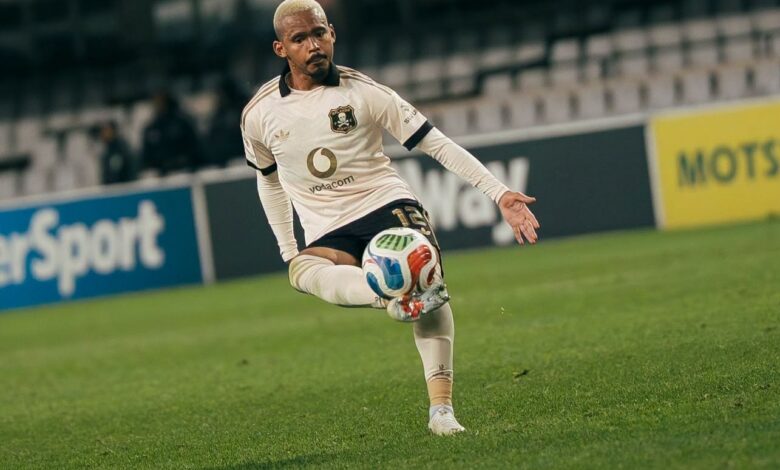
Orlando Pirates head coach Abdeslam Ouaddou has explained why Oswin Appollis has yet to reach his expected level at the start of the new season, insisting that the Bafana Bafana international is being carefully managed after the demands of the FIFA World Cup. Appollis entered the campaign under significant pressure to perform after Relebohile Mofokeng’s departure left a major gap in Pirates’ attacking ranks. Many supporters expected the 24-year-old winger to become one of the team’s leading attacking figures and carry more responsibility in the final third. However, his early performances have not yet matched the expectations surrounding him. Ouaddou has made it clear that the situation is not related to a lack of ability, but rather to the need to manage the physical demands placed on a player who has recently experienced an intense international schedule.
The Pirates coach remains highly confident in Appollis’ quality and considers him one of the most valuable players in the squad. Ouaddou used the image of protecting a valuable possession to explain why the club has taken a cautious approach to the winger’s workload. He believes Appollis can influence a match even when he is not operating at full fitness, which makes it even more important to prevent him from being pushed beyond his physical limits. The coach’s comments suggest that Pirates are thinking about Appollis’ contribution across the entire season rather than judging him solely on his opening performances. Instead of demanding that the winger immediately reproduce his best form, the club is focused on getting him physically ready to handle the long campaign.
Appollis’ situation comes after a demanding period that included his involvement with Bafana Bafana at the FIFA World Cup. International tournaments can place significant physical and mental demands on players, particularly when they are followed by another competitive club season with little opportunity for a complete recovery period. Ouaddou believes Appollis is not the only player experiencing these challenges, pointing to international players across Europe who have also struggled with the physical consequences of the World Cup. The coach therefore sees the winger’s slower start as part of a broader workload management issue rather than a sudden decline in performance. Pirates’ technical, medical and performance departments are working together to ensure that Appollis gradually returns to the level required to perform consistently.
Ouaddou explained that the club is using a coordinated approach involving its performance department, medical staff and technical team. The objective is to monitor Appollis closely and make decisions based on his physical condition rather than simply selecting him for every available match. This approach can sometimes frustrate players because competitive footballers naturally want to remain on the pitch and contribute to their team’s results. However, Ouaddou believes that taking a player off or resting him when necessary can prevent a much more serious injury later in the season. The coach’s priority is therefore to ensure that Appollis remains available for the most important part of the campaign rather than risking his fitness for short-term gains.
The importance of managing Appollis has increased following the departure of Mofokeng. With Mofokeng no longer at the club, Pirates need other attacking players to take greater responsibility and provide creativity and goals. Appollis is naturally one of the players expected to fill part of that void because of his pace, attacking ability and experience at international level. That expectation can create additional pressure, particularly when a player is already dealing with the physical effects of a demanding international schedule. Ouaddou’s decision to protect Appollis shows that the club understands the need to balance immediate expectations with the player’s long-term contribution.
The coach has also acknowledged that players do not always appreciate being substituted or rested when they believe they can continue playing. For a player like Appollis, who has established himself as an important attacking option, being taken out of a match can feel disappointing. Ouaddou nevertheless believes that protecting players is part of his responsibility as head coach. His comments indicate that he would rather deal with temporary frustration than risk losing an important player to a serious injury. That approach is particularly relevant for Pirates because the season will involve a demanding schedule across domestic competitions and potentially long cup runs.
Ouaddou’s caution has also been shaped by injuries already suffered within the Pirates squad. Bafana Bafana midfielder Thalente Mbatha has undergone surgery, while Evidence Makgopa is also sidelined through injury. Losing multiple players to serious fitness problems can place additional pressure on the remaining members of the squad and reduce a coach’s tactical options. Pirates therefore have a clear reason to avoid taking unnecessary risks with Appollis, especially when the season is still at an early stage. Ouaddou wants his squad to remain available for as many matches as possible rather than allowing injuries to accumulate as the campaign becomes more demanding.
The coach’s comments also appear to reflect the wider reality of modern football, where players are expected to move between club and international competitions with limited recovery time. International players can complete a major tournament and then quickly return to demanding domestic schedules. Without careful workload management, fatigue can increase the likelihood of muscular problems and other injuries. Ouaddou believes it is his responsibility to anticipate those risks rather than waiting for a player to suffer an injury before taking action. His approach with Appollis therefore forms part of a broader strategy designed to protect Pirates’ most important players throughout the season.
There is also reason for optimism because Ouaddou says Appollis is improving with each game. The winger may not yet be operating at the level expected of him, but his gradual improvement suggests that the management strategy is producing the desired effect. Pirates supporters will likely want to see more goals, assists and decisive attacking performances from him, especially after Mofokeng’s departure. However, the club’s priority is ensuring that those contributions come when Appollis is physically prepared to produce them consistently. If his fitness continues to improve, he could become increasingly influential as the season progresses.
For now, Ouaddou’s message is clear: Orlando Pirates are not concerned about Oswin Appollis’ ability. The club considers him one of its best players and believes that his qualities will become increasingly important as the campaign develops. The slower start is being treated as a fitness and workload management issue following his demanding World Cup experience rather than a permanent loss of form. With Thalente Mbatha and Evidence Makgopa already affected by injuries, Pirates have little incentive to take unnecessary risks with another key player. By carefully managing Appollis now, Ouaddou hopes to keep the Bafana Bafana star fit, confident and available for the crucial stages of what promises to be a long and demanding season.