Themba Zwane Call-Up Explained As Pitso Mosimane Highlights His Aura and Leadership
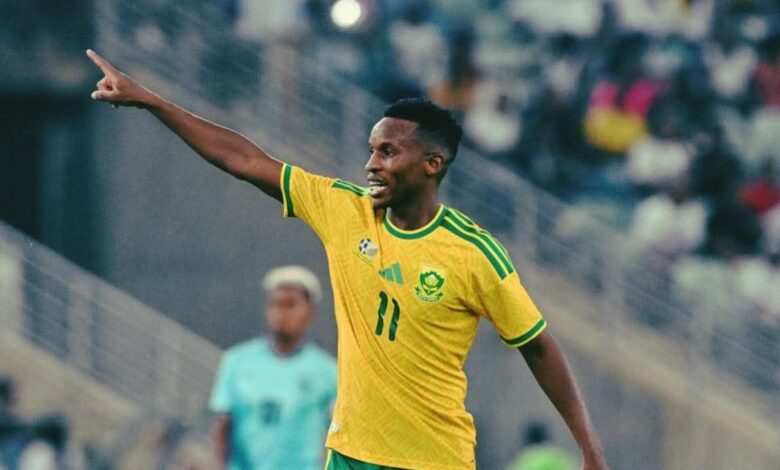
Themba Zwane’s inclusion in the latest Bafana Bafana squad has raised questions because the veteran midfielder has struggled for regular minutes at club level. At 37, Zwane is no longer the automatic starter he once was, but coach Pitso Mosimane believes his value to the national team goes beyond his physical condition and current playing time. Mosimane has defended the decision by pointing to Zwane’s experience, leadership and ability to guide younger players inside the squad. The coach specifically highlighted the importance of having the Mamelodi Sundowns captain around emerging talents such as Puso Dithejane. For Mosimane, the veteran’s presence can help prepare younger players for the demands of international football while also giving Bafana Bafana another experienced option during matches.
Mosimane’s explanation focuses heavily on the role experienced players can play in a national team environment. Unlike a club squad, where players spend much of the season together, an international team has limited time to build relationships, understand tactical instructions and develop confidence. That makes senior players who understand the demands of representing South Africa valuable to the coaching staff. Mosimane believes Zwane can help younger members of the squad understand what is expected when they put on the Bafana Bafana shirt. He specifically referred to the need for Zwane to share his experience with Dithejane, who represents part of the next generation of South African players. The coach’s comments suggest that Zwane’s selection was partly based on what he can contribute away from the traditional measures of appearances and minutes played.
“Experience, leadership. Let him tell Puso what it is to play for Bafana,” Mosimane said when explaining the decision. The comment underlines the importance he places on mentorship within the national team. Zwane has spent years playing at the highest level in South African football and has also accumulated extensive international experience with Bafana Bafana. That background gives him knowledge of the pressure surrounding major international fixtures and the expectations attached to representing the country. Mosimane wants that knowledge to be passed on to players who are still establishing themselves at international level. The approach also reflects the coach’s belief that building a strong national team involves developing players collectively rather than focusing only on the starting eleven.
Zwane’s potential contribution is not limited to his leadership role, however. Mosimane also pointed to the midfielder’s ability to bring composure and creativity to the attack when required. The coach acknowledged that Bafana Bafana have struggled to convert opportunities into goals, making experienced attacking players potentially useful even if they are introduced for a short period. Mosimane suggested that Zwane could make an impact in a limited spell, particularly during the closing stages of a match. His reference to Zwane’s “aura” reflects the belief that the veteran can influence the game through his calmness, decision-making and ability to combine with teammates. That does not necessarily mean Zwane will start ahead of younger players, but it indicates that Mosimane sees a specific role for him within the squad.
The coach was also clear about Zwane’s current physical situation. Mosimane acknowledged that the midfielder is not in the condition required to start ahead of Oswin Appollis, particularly given the younger attacker’s current level of fitness and availability. This admission is significant because it shows that Zwane’s selection does not automatically guarantee him a starting position. Instead, Mosimane appears to view him as an option who can contribute depending on how a match develops. The coach said Zwane could be effective for 10 or 15 minutes if the team needs his experience and composure. This could make the veteran an impact substitute while also allowing him to contribute to the squad through his leadership responsibilities.
The upcoming fixtures give Bafana Bafana an opportunity to assess how Mosimane’s approach works in competitive conditions. South Africa are scheduled to face Guinea on 26 September 2026 before taking on Eritrea on 30 September in Africa Cup of Nations qualification fixtures. Both matches will place attention on squad selection, tactical decisions and the balance between experienced players and emerging talent. Zwane’s role could become particularly interesting if Mosimane uses him from the bench during the matches. His ability to influence the game without carrying the physical workload of a full 90 minutes could explain why the coach considers his presence worthwhile. At the same time, younger players such as Dithejane and Appollis will have an opportunity to demonstrate why they are part of the national team’s plans.
The selection also highlights the challenge facing coaches when managing a squad in transition. South Africa need to continue developing younger players while retaining the experience required to compete in important international fixtures. Removing established figures too quickly can leave younger players without experienced voices around them, while relying too heavily on older players can limit opportunities for the next generation. Mosimane’s decision with Zwane appears designed to maintain a link between those two groups. The veteran can provide guidance while younger players take on greater responsibility on the field. How effectively that balance works will depend on the roles Mosimane gives each player and the performances they produce during the international window.
For Zwane, the call-up represents another opportunity to contribute to Bafana Bafana at a stage of his career when his role has changed. His selection is no longer simply about whether he can play the same number of minutes he did during his peak years. Instead, Mosimane has identified leadership, experience, composure and the ability to influence younger teammates as important parts of his value. The coach has also made it clear that physical readiness remains a consideration when determining who starts. That distinction could allow Zwane to contribute without necessarily taking a starting position away from a younger player such as Appollis.
Mosimane’s comments therefore provide a clearer picture of why Zwane remains part of his plans despite questions about the midfielder’s current club minutes. The Bafana Bafana coach sees value in having an experienced captain who can help younger players understand the demands of international football while still offering a potential attacking option from the bench. His comments about Zwane’s aura also suggest that Mosimane believes certain qualities cannot always be measured through statistics alone. The upcoming matches against Guinea and Eritrea will provide a practical test of how that experience fits into the coach’s tactical plans. For now, Mosimane’s message is clear: Zwane’s place in the squad is based not only on what he can do physically, but also on the leadership and experience he can bring to a changing Bafana Bafana team.