Kaizer Motaung Jr Explains Decision to Back Khalil Ben Youssef and Cedric Kaze After Nasreddine Nabi Exit
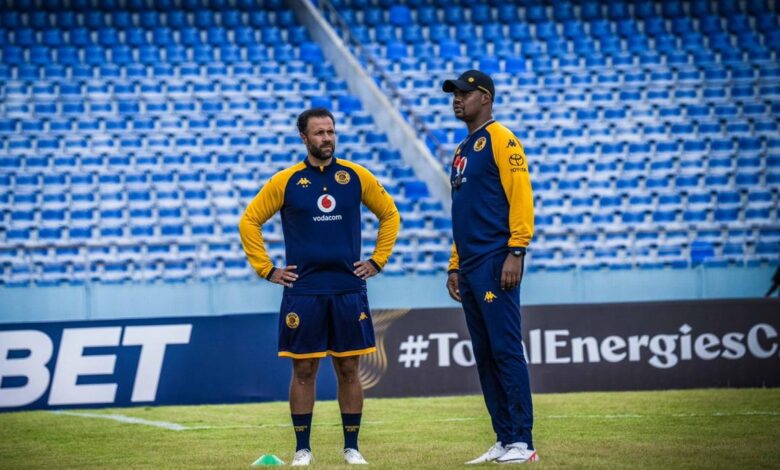
Kaizer Chiefs sporting director Kaizer Motaung Jr. has provided clarity on the club’s decision to place their trust in Khalil Ben Youssef and Cedric Kaze following the departure of head coach Nasreddine Nabi. The decision came during a sensitive moment for the Soweto giants as they attempted to maintain stability while continuing their rebuilding process. Some supporters and former players questioned whether the two coaches had the experience needed to guide the club through a challenging competitive environment. Despite the criticism, the club leadership insisted the decision formed part of a carefully planned strategy designed to support long term success. According to Motaung Jr., the move reflected a broader vision for the club rather than a short term reaction to recent results.
The sporting director explained that the decision followed a detailed internal evaluation process that involved multiple departments within the organization. Club leadership reviewed key performance areas and examined where improvements were required both on and off the field. Discussions were held with members of the technical staff and other stakeholders to ensure that the decision aligned with the club’s long term football philosophy. Motaung Jr. emphasized that leadership decisions at Chiefs are made collectively and guided by a structured vision rather than individual opinions. This approach aimed to ensure that every major step taken by the club contributed to a sustainable and clearly defined future.
Central to the club’s thinking is a long term project that outlines the direction Chiefs intend to follow over the coming years. The leadership team developed a comprehensive strategy document that covers multiple aspects of the organization including football operations, marketing, commercial growth and supporter engagement. Within that plan the club set several key objectives that would help guide their progress toward the year 2030. One of the immediate priorities identified in the strategy was the desire to win the Nedbank Cup during the current season. Achieving success in that competition would help Chiefs return to continental football and compete again at the highest level in Africa.
Motaung Jr. also highlighted the importance of continuity within the technical team following Nabi’s departure. Instead of introducing an entirely new coaching group, the club chose to retain individuals who had already been involved in building the squad and shaping the team’s tactical approach. Alongside Ben Youssef and Kaze, members of the existing technical structure such as goalkeeper coach Mzoughi and performance coach Safi remained in their roles. The leadership believed that maintaining this group would allow the club to preserve valuable knowledge about the players and the development plans already in progress. Continuity also helped ensure that recruitment strategies and tactical adjustments remained aligned with the broader vision established earlier.
Another factor that influenced the decision was the technical team’s understanding of the squad that had been assembled during the recent transfer windows. These coaches had already worked closely with the players and had a clear sense of the strengths and weaknesses within the group. According to Motaung Jr., this familiarity gave them an advantage when it came to guiding the team through the remainder of the season. A sudden overhaul of the technical department could have disrupted the progress that had already been made. By keeping the core coaching staff intact, Chiefs aimed to create an environment where players could continue developing without unnecessary instability.
The club also considered the performances delivered during their campaign in the CAF Confederation Cup. While there were areas that still required improvement, the journey in the continental tournament produced several positive signs for the team. The coaching staff demonstrated the ability to compete against strong opposition while implementing aspects of the club’s long term tactical approach. Motaung Jr. noted that the evaluation process considered these positives rather than focusing solely on isolated setbacks. The club leadership concluded that the technical team had shown enough promise to justify continued support.
Creating a stable environment for players and coaches remains a central priority for the Chiefs leadership. Constant changes in management can disrupt progress and make it difficult for teams to build consistency on the field. Motaung Jr. stressed that stability allows coaches to implement their ideas more effectively while helping players perform with confidence. The club therefore believed that supporting Ben Youssef and Kaze would give the team the best opportunity to grow within the established system. Although challenges remain, the leadership views the current setup as a platform for continued development.
The explanation provided by Motaung Jr. reflects a broader commitment to long term planning at Kaizer Chiefs. Instead of focusing only on immediate results, the club aims to build a sustainable structure that supports success in the years ahead. The decision to back Ben Youssef and Kaze after Nabi’s departure forms part of that long term strategy and demonstrates the club’s desire for continuity and stability. While supporters will ultimately judge the decision by results on the field, the leadership remains confident that their approach aligns with the vision for the club’s future. If the strategy unfolds as planned, Chiefs hope it will guide them back to domestic success and renewed competitiveness in African football.