Pitso Mosimane Effect Already Visible as South Africa Crush Eritrea 5-0 in AFCON Qualifier
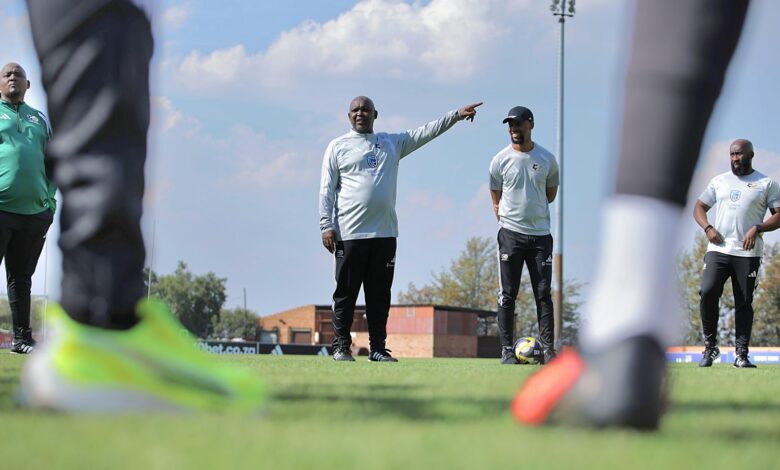
Pitso Mosimane has made an immediate impact since taking charge of Bafana Bafana, with South Africa producing a convincing 5-0 victory over Eritrea in an AFCON Group D qualifying match played in Egypt. The result gave Mosimane six points from his first two matches as head coach after succeeding Hugo Broos. More than the result itself, the performance suggested that the players are beginning to understand the tactical ideas introduced by their new coach. Sergio Dos Santos believes the difference was clear in the way South Africa controlled possession, moved the ball and created attacking opportunities. With Bafana Bafana now in a strong position in Group D, the early signs under Mosimane have given supporters plenty to discuss.
Dos Santos was particularly impressed by the composure shown by the South African players throughout the match. He felt that the team looked much more relaxed than it had during the previous fixture against Guinea. That composure allowed the players to make better decisions when they had possession and reduced the tendency to rush attacks. The players appeared to have a clearer understanding of their positions and responsibilities, which helped South Africa maintain control for long periods. For Dos Santos, those details provided evidence that Mosimane’s work on the training ground is already beginning to influence the team’s performances.
The tactical movement of the attacking players stood out as one of the most encouraging aspects of the performance. South Africa benefited from the movement of players such as Oswin Appollis, Relebohile Mofokeng and Elias Mokwana, who helped create space and give the attack different options. Their movement made it harder for Eritrea to maintain a consistent defensive shape. Instead of relying entirely on individual moments, Bafana Bafana were able to move the ball and create openings through coordinated movements. That change is important because a structured attacking system can give players more freedom while still maintaining tactical discipline.
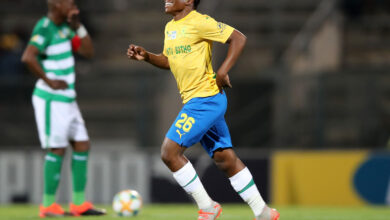
Mofokeng was one of the players who attracted particular attention during the 5-0 victory. Dos Santos described the young attacker as the most important player for him, highlighting the influence he had on the team’s attacking performance. Mofokeng’s ability to receive the ball, move into dangerous areas and link with teammates gave South Africa another dimension in the final third. His confidence also appeared to grow as the match progressed, allowing him to become increasingly influential. Performances like this can strengthen his position within the Bafana Bafana squad as Mosimane continues to shape his preferred team.
The contrast between the Guinea and Eritrea matches also offers an insight into how quickly players can adapt to a new coaching philosophy. During the first match under Mosimane, the squad was still becoming familiar with new instructions and expectations. That process can take time because players must adjust their positioning, movement and decision-making while also adapting to the coach’s preferred style. Against Eritrea, Dos Santos believed the players looked significantly more comfortable with those ideas. The 5-0 result therefore reflected not only improved execution but also the possibility that Mosimane’s tactical instructions are becoming easier for the players to apply during matches.
Iqraam Rayners also played an important role in the tactical plan. Dos Santos explained that Mosimane’s decision to use Rayners as the striker was connected to the forward’s movement rather than simply his physical attributes. Rayners is not known primarily for his aerial strength, but his intelligent movement behind defensive lines can create problems for opponents. His ability to identify spaces and make runs away from the ball can open opportunities for teammates arriving from deeper positions. That makes him particularly useful in a system where movement and possession are central to the attacking approach.
The decision to select Rayners also demonstrates how Mosimane appears to be looking beyond traditional expectations when choosing his attacking players. A striker does not have to dominate physically to influence a match. Movement, timing, positioning and the ability to create space can be equally important against a defensive team. Rayners’ role allowed South Africa to threaten areas behind the Eritrean defence while giving the midfield and wide players targets to find. His selection therefore fits with the broader tactical approach that Dos Santos believes is becoming visible under Mosimane.
The midfield also benefited from the changes introduced during the match. When Poggenpoel came on, Dos Santos noted that he brought additional tempo to the middle of the pitch. A change in midfield energy can have a significant impact on a team that wants to control possession and dictate the pace of a match. South Africa were able to continue moving the ball while maintaining pressure on Eritrea instead of allowing the game to become disjointed. The contribution from the substitutes also showed that Mosimane has options available to change the rhythm of a match when necessary.
Possession was another major part of the improvement identified by Dos Santos. He believes Bafana Bafana are keeping the ball for longer and showing greater patience instead of immediately attempting to move forward. That approach can reduce the number of unnecessary turnovers and give a team greater control over the match. It also allows attacking players more time to find useful positions before the final pass is made. Against Eritrea, that patience helped South Africa sustain pressure and create opportunities without constantly forcing the game.
Dos Santos also credited Hugo Broos for establishing the foundation that Mosimane has inherited. Broos played an important role in developing the team before Mosimane took over, and the transition between coaches does not erase the work completed under the previous regime. Instead, Mosimane can build on existing structures while introducing his own ideas and giving players more freedom within those structures. Dos Santos described Broos as the coach who got the machine moving, while suggesting that Mosimane is now allowing the players to express themselves more freely. That combination of an established foundation and a new tactical approach could explain why the transition has produced encouraging early results.
The six points from Mosimane’s first two matches have also given Bafana Bafana an important boost in their AFCON qualifying campaign. Winning matches remains the most direct way to build momentum in a qualifying group, and South Africa have made a strong start under their new coach. The 5-0 victory was particularly significant because it combined a clean attacking performance with a comfortable margin. It also gave Mosimane more evidence about which players are adapting quickly to his ideas. As the AFCON qualifiers continue, those early observations will help determine how the squad develops.
The biggest challenge now is maintaining the standards shown against Eritrea. A strong performance in one match does not automatically guarantee consistency in future fixtures. Opponents will present different tactical problems, and Bafana Bafana will need to demonstrate that their improved possession, movement and patience can work against teams with different approaches. Mosimane will also need to manage expectations as his players continue adapting to his methods. The early results provide a positive foundation, but the longer-term impact of his appointment will become clearer as South Africa face more demanding matches.
For now, the 5-0 victory has provided clear evidence of progress in several areas of Bafana Bafana’s game. The players looked more composed, the attacking movements were more coordinated and the team showed greater patience in possession. Mofokeng emerged as a major attacking influence, while Rayners demonstrated why intelligent movement can be valuable even without dominating aerially. Mosimane has also benefited from the foundation established by Broos, while introducing ideas that Dos Santos believes have given the players greater freedom. If South Africa can maintain that tactical discipline and attacking confidence in their next AFCON qualifiers, the early Pitso Mosimane effect could develop into a defining part of the team’s campaign.