Lyle Foster Backed to Turn Fan Boos Into World Cup Breakthrough as Siphiwe Tshabalala Urges Mental Strength
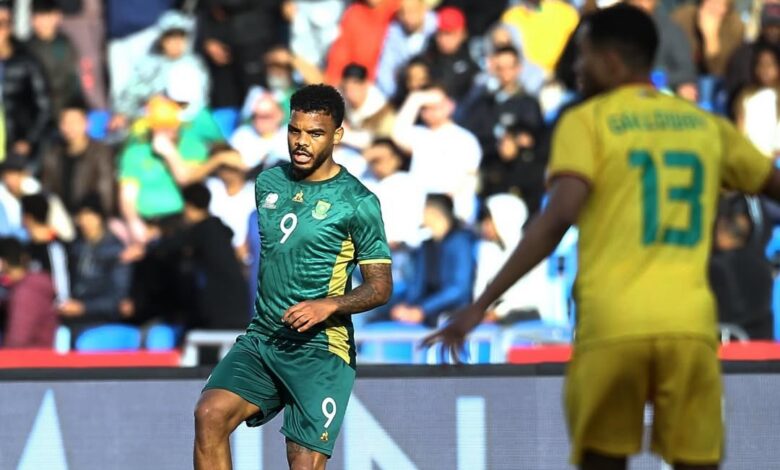
Bafana Bafana striker Lyle Foster is heading into the 2026 FIFA World Cup under growing pressure, but South Africa legend Siphiwe Tshabalala believes the situation can shape him into a stronger and more decisive player. The Burnley forward has faced increasing criticism from supporters after a difficult run of performances in international matches. The tension peaked during a recent friendly against Nicaragua, where missed chances and a failed penalty contributed to a goalless result. Some sections of the crowd reacted negatively, including audible boos when he was substituted. The situation has sparked wider debate about expectations placed on key attacking players ahead of major tournaments.
The frustration from fans reflects the growing pressure on South Africa as they prepare for a demanding international schedule leading into the World Cup in North America. Foster, who plays his club football in England with Burnley, has been expected to lead the attack and provide goals on the global stage. However, recent matches have highlighted inconsistency in front of goal, creating uncertainty among supporters. The missed penalty against Nicaragua became a focal point for criticism, especially given the importance of confidence-building results before a major tournament. Social media reactions added further intensity, with debates around his form dominating discussions around the national team.
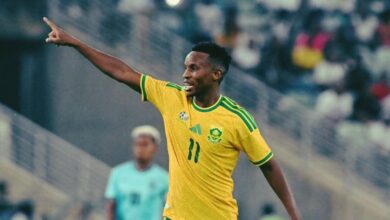
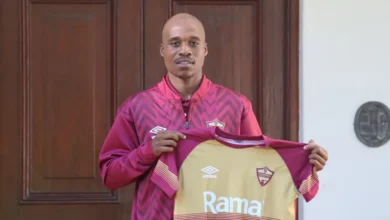
Despite the backlash, Tshabalala has stepped forward with strong support for the striker, urging patience and perspective. The former Bafana Bafana midfielder, remembered for his iconic goal at the 2010 FIFA World Cup, stressed that adversity is part of elite sport. He explained that being booed is difficult for any player, but it also tests maturity and mental resilience. According to him, Foster must learn to use criticism as motivation rather than letting it affect his confidence. Tshabalala’s message reflects the belief that mental strength is as important as technical ability at the highest level of international football.
Tshabalala also highlighted Foster’s experience in top-level European football as a major advantage heading into the tournament. Playing in the English Premier League with Burnley has exposed him to high-pressure environments, strong opposition and intense scrutiny. This background, according to the South African legend, places Foster among the most experienced members of the current national squad. Even during periods of poor form, his exposure to elite football is seen as a foundation that can help him recover quickly. Tshabalala believes that this experience will be critical when handling pressure moments during the World Cup.
The broader message from the former Kaizer Chiefs captain is centered on development through difficulty. He described the current criticism as a “character-building phase” that can help Foster grow as a player and leader. In his view, setbacks like missed penalties or poor performances are part of the journey for any striker at international level. The key factor is how the player responds in the next match or tournament moment. Tshabalala expressed confidence that Foster has both the ability and mindset to overcome the current challenges.
Within the Bafana Bafana setup, Foster remains an important attacking option for coach Hugo Broos as the team prepares for a difficult group stage that includes fixtures against Mexico, Czechia, South Korea and Nicaragua. His role as a central striker carries significant responsibility, especially in matches where chances may be limited. The coaching staff continues to back him, focusing on his movement, link-up play and ability to stretch defences. While goals are the main expectation, his overall contribution to the team structure remains valued. That trust is expected to play a role in maintaining his confidence heading into the tournament.
Public reaction, however, remains divided, with some supporters calling for improved finishing options while others argue that Foster needs time and consistent backing. The debate highlights the pressure placed on strikers in international football, where form is often judged harshly. Tshabalala’s intervention adds a veteran voice to the conversation, reminding fans that elite players often go through difficult phases before delivering on the biggest stages. His own history with Bafana Bafana gives weight to his perspective on handling national expectation. The message is clear that support can influence performance just as much as criticism.
As the World Cup approaches, Foster now faces a defining moment in his international career. The upcoming matches will determine whether he can convert criticism into motivation and silence doubts about his form. Tshabalala believes that adversity can sharpen focus and bring out a stronger version of the striker. If Foster responds positively, he could enter the tournament with renewed confidence and purpose. For Bafana Bafana, his form may ultimately play a decisive role in how far the team progresses on the global stage.