Orlando Pirates Fans Will Have to Wait Longer for Sebastian Pedersen Debut
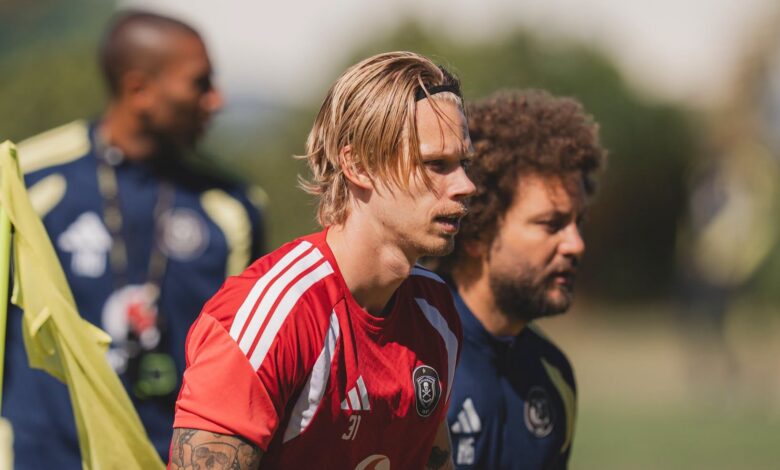
Orlando Pirates supporters will have to wait a little longer to see Sebastian Pedersen make his official debut for the Buccaneers, with head coach Abdeslam Ouaddou taking a cautious approach to the Norwegian striker’s introduction. Expectations around Pedersen have grown rapidly since his arrival, with supporters already giving him the nickname “Baby Haaland” because of his profile and goalscoring reputation. However, Ouaddou has made it clear that the club will not rush the striker into competitive action before he is physically and mentally ready. The coach’s priority is to ensure that Pedersen adapts properly to his new surroundings while reaching the fitness level required for the demands of South African and continental football. That approach means his eagerly anticipated debut is unlikely to come as soon as many Pirates fans had hoped.
Pedersen’s arrival has generated significant excitement at Orlando Pirates, particularly because the club identified a need for greater efficiency in front of goal. Ouaddou explained that Pirates created a high number of chances in Africa last season but struggled to convert enough of those opportunities into goals. The Norwegian striker was identified by the club’s scouting department as a potential solution to that problem. His ability to finish chances has already impressed the coaching staff during training, even though he is not yet considered fully ready for competitive football. Pirates will hope that allowing him enough time to settle will ultimately give the club the goalscoring option it believes it signed.
Ouaddou has been impressed by Pedersen’s attitude since he joined the squad and believes the striker is happy with his move to Pirates. The coach has noticed the player’s enthusiasm during training and has also seen enough of his finishing ability to understand why the club wanted him. According to Ouaddou, Pedersen’s qualities as a finisher are already evident and do not require weeks of observation to confirm. The bigger question is when those qualities can be safely transferred from training into competitive matches. The coaching staff therefore appears more concerned with preparing the striker properly than satisfying the immediate demand from supporters to see him play.
Physical fitness is currently one of the main issues surrounding Pedersen’s debut. Ouaddou explained that the striker is not yet at 100 percent, which means introducing him into a high-intensity competitive fixture could carry unnecessary risks. Pirates have a demanding schedule and will need players who can cope with the physical demands of domestic and continental football. A rushed debut could potentially increase the possibility of injury or prevent Pedersen from performing at the level expected of him. The club therefore appears willing to wait until he reaches the appropriate physical condition before giving him his first official appearance.
The striker is also adapting to an entirely new football environment, which Ouaddou believes requires patience. Pedersen has moved to a new country and must become familiar with different training routines, food, surroundings and expectations. The coach pointed out that adaptation is not purely a physical process because moving to a new environment can also create mental pressure for a professional footballer. Giving Pedersen enough time to become comfortable could help him settle into the squad and build relationships with his new teammates. That process could ultimately be important to ensuring that his eventual debut is positive rather than forcing him onto the pitch before he is prepared.
The Pirates performance department is working closely with Pedersen as the club manages his integration and fitness programme. This support is intended to help the striker reach the physical standards required by the coaching staff while reducing the risk of injury. The performance team will have an important role in monitoring his progress and determining when he is ready to increase his workload. Ouaddou has made it clear that he is also eager to see the Norwegian play, but his responsibilities as head coach require him to make a decision based on the player’s condition rather than outside expectations. That careful approach could frustrate supporters in the short term but may benefit the team over the longer campaign.
The timing of Pedersen’s arrival is also important because Pirates are entering a demanding period of the season. The Buccaneers are preparing for their MTN8 semi-final against Sekhukhune United, with the first leg scheduled to take place at Old Peter Mokaba Stadium in Polokwane. With the tie being played over two legs, Pirates will need experienced and trusted players to handle the pressure of the knockout matches. Pedersen’s absence would remove one potential attacking option, but Ouaddou appears unwilling to take unnecessary risks with a player who has not yet reached full fitness. His decision reflects the importance of having the striker available for the longer term rather than gambling on an early appearance.
With Evidence Makgopa currently recovering from injury, Pirates have continued to rely on Yanela Mbuthuma in the attacking department. Mbuthuma has therefore taken on greater responsibility while the coaching staff manages the available options. The situation highlights why the arrival of Pedersen has created so much interest, as Pirates would benefit from having another reliable goalscoring option. However, the club must balance that need against the importance of ensuring its new striker is properly prepared. Once Pedersen reaches the required fitness level, his introduction could give Ouaddou another option in attack and potentially change the way Pirates approach their chances in front of goal.
The nickname “Baby Haaland” has also raised expectations before Pedersen has even played an official match for the club. While the comparison may generate excitement among supporters, the striker will ultimately need time to establish his own identity at Pirates. Training performances can provide encouraging signs, but competitive football brings different pressures and demands. Pedersen will need to adapt to the pace of matches, the physicality of the league and the expectations that come with playing for one of South Africa’s biggest clubs. Managing those expectations carefully will be important for both the player and the coaching staff.
For now, the message from Ouaddou is clear. Pirates want Sebastian Pedersen to make his debut when he is ready, rather than rushing him into action simply because supporters are eager to see their new striker. His finishing ability has already impressed the coaching staff, while the performance department continues to work on the physical and broader adaptation aspects of his transition. With the MTN8 semi-final against Sekhukhune United approaching, Pirates are likely to continue relying on their current attacking options while Pedersen completes his preparation. When the Norwegian eventually steps onto the pitch in an official match, the club will hope that patience and careful preparation have positioned him to make the impact that prompted the “Baby Haaland” excitement in the first place.