South Africa vs Kenya AFCON Qualifier Preview: How to Watch Bafana Bafana, Kick-Off Time, Venue, Squad News, Team Form and Predictions
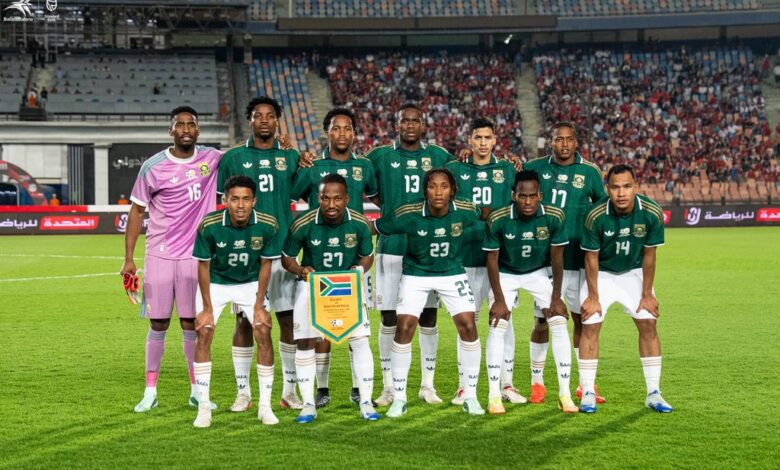
South Africa and Kenya are preparing for an important Africa Cup of Nations qualifying encounter as Bafana Bafana welcome the Harambee Stars to Orlando Stadium in Soweto on Friday, 13 November 2026. The match promises an interesting contest between two neighbouring African football nations with different expectations and recent results. South Africa will look to take advantage of home support and continue their impressive run under coach Pitso Mosimane. Kenya, led by Benni McCarthy, will hope to produce a strong performance and challenge the hosts despite their inconsistent qualifying form. With both teams preparing for two meetings within a few days, the opening encounter could have a significant influence on their confidence and approach to the return fixture.
The first South Africa vs Kenya match is scheduled for 13 November 2026, with kick-off at 18:00 South African Standard Time. Orlando Stadium in Soweto will host the encounter, giving Bafana Bafana the opportunity to play in front of their home supporters. The venue is familiar to South African football fans and is expected to provide an energetic atmosphere for this international fixture. Supporters who cannot attend the match in person should check local television sports schedules and official broadcaster announcements for confirmed live coverage. Online streaming availability will depend on the broadcasting rights in each territory. Fans should also follow official announcements from the South African Football Association and relevant broadcasters for updates on how to watch South Africa vs Kenya live.
This fixture forms part of a demanding two-match schedule between the national teams. After the meeting in Soweto, Kenya will host South Africa on 17 November 2026, with the return match also scheduled for an 18:00 kick-off. Playing the same opponent twice within a short period creates an interesting tactical challenge for both coaching teams. The first match could influence selection decisions, player confidence and tactical adjustments ahead of the second encounter. South Africa will want to establish an advantage at home, while Kenya will aim to remain competitive and take a positive result into the return fixture. The two games should provide a useful test of each team’s preparation, squad depth and ability to respond under pressure.
South Africa enter the contest with encouraging recent form and growing confidence under Pitso Mosimane. The team has reportedly recorded three consecutive victories since his appointment, scoring eight goals and conceding just once during that period. Those results suggest that Bafana Bafana have developed a more effective attacking approach while maintaining defensive discipline. Winning matches consistently can also improve the atmosphere within a national team camp, particularly when players understand their responsibilities and trust the coaching system. South Africa will hope to carry that momentum into the Kenya encounter. However, recent victories do not guarantee another successful performance, especially against an opponent that may approach the game with a determined defensive strategy.
Mosimane will have several important decisions to make when selecting his starting eleven. His main challenge will be finding the right balance between attacking creativity, midfield control and defensive stability. Bafana Bafana have players capable of creating opportunities through quick passing, intelligent movement and individual skill. The home side could look to dominate possession and move the ball into attacking areas early in the match. Controlling the midfield will be particularly important because Kenya may attempt to disrupt South Africa’s rhythm and exploit opportunities on the counterattack. The coach will also need to manage player fitness carefully because another meeting with Kenya follows just four days later.
Ronwen Williams is expected to play an important role in South Africa’s defensive organisation. The goalkeeper brings international experience and leadership to the team, qualities that become especially valuable during competitive fixtures. His communication with the defenders could help Bafana Bafana maintain a compact defensive structure. In midfield, Teboho Mokoena is another player who could influence the outcome through his passing range, positioning and ability to contribute in both defensive and attacking situations. Oswin Appollis and Relebohile Mofokeng could provide creativity and attacking movement in the final third. Their ability to create chances and trouble Kenya’s defensive line may be central to South Africa’s attacking plans.
Lyle Foster is another important name to watch as Bafana Bafana prepare for the encounter. His movement, physical presence and finishing ability could give South Africa an advantage in attacking areas. Foster can offer a direct option when the team looks to play forward quickly, while his movement can also create space for attacking midfielders. Relebohile Mofokeng is expected to attract attention because of his technical ability and confidence when carrying the ball. Oswin Appollis could also play a key role through his creativity and attacking contributions. Thapelo Maseko, Puso Dithejane and other attacking options may provide additional possibilities depending on the coach’s tactical requirements. The final team selection will depend on player availability, fitness and the approach Mosimane chooses for this particular match.
The possible South Africa starting eleven includes Ronwen Williams in goal, with Matuludi, Khulumani Ndamane or another defensive option, Mbekezeli Mbokazi and Aubrey Modiba forming the defensive line. Teboho Mokoena and other midfield options could provide the necessary balance in the centre of the pitch. Appollis, Mofokeng and Dithejane are among the attacking players who could feature behind or alongside Foster. The precise formation and personnel will only become clear when the official team sheet is released. Supporters should treat projected line-ups as possible selections rather than confirmed starting teams. Injuries, tactical changes and late fitness assessments could influence the final eleven.
Kenya arrive in South Africa with a different set of challenges. The Harambee Stars have reportedly struggled to maintain consistency during their qualifying campaign under Benni McCarthy. Their recent form is listed as one draw and three defeats in the relevant sequence, with the draw against neighbouring Rwanda providing a limited return. A 0-0 result against Rwanda demonstrated some defensive organisation but also highlighted the team’s difficulties in turning opportunities into goals. Kenya will need a more effective attacking performance if they hope to trouble South Africa at Orlando Stadium. Their players must also remain disciplined because mistakes against an in-form home side could quickly become costly.
Benni McCarthy faces an important test as he prepares his team for the first meeting with Bafana Bafana. The former South African international understands the demands of African football and the pressure that comes with representing a national team. His coaching experience at Manchester United, where he worked with the first-team coaching staff, also forms part of his professional background. McCarthy will want his players to demonstrate organisation, commitment and confidence against a South African side that appears to be improving. Kenya could benefit from keeping their defensive shape compact and limiting the spaces available to South Africa’s creative players. Quick transitions and well-timed counterattacks may offer the Harambee Stars their best opportunities to threaten the home defence.
Kenya’s attacking approach will be particularly important if they want to avoid spending long periods defending. The team needs to find a balance between protecting its goal and creating enough attacking opportunities to put South Africa under pressure. A defensive strategy can help limit the hosts’ chances, but sitting too deep for the entire match could allow Bafana Bafana to control possession and dictate the tempo. Kenya’s midfielders will need to compete for second balls and prevent South Africa from building attacks comfortably. Their forwards must also make intelligent runs and take advantage of any defensive mistakes. Converting limited opportunities could prove decisive in a match where South Africa are expected to enjoy significant periods of possession.
Pitso Mosimane has already acknowledged that Kenya should not be underestimated despite their recent difficulties. The South African coach has warned against complacency and highlighted the danger of facing a team with little to lose. He has also spoken positively about McCarthy’s coaching background and achievements, stressing the importance of respecting the opposition. Mosimane’s comments suggest that Bafana Bafana are preparing for a difficult encounter rather than assuming that their recent form guarantees victory. His experience in African football has taught him that teams with weaker recent results can still produce unexpected performances. This approach could help South Africa remain focused and avoid the mistakes that sometimes occur when favourites underestimate their opponents.
The head-to-head record between South Africa and Kenya provides additional context ahead of the fixture. The teams have met only a limited number of times in the available historical record, making their previous encounters an interesting but relatively small sample. South Africa have generally enjoyed the better results, with three victories recorded in the four meetings highlighted in the supplied match information. Kenya’s notable success came through a penalty shootout victory in the 2002 Castle Lager Cup. More recent meetings also favour Bafana Bafana, including a 2-1 friendly victory over Kenya on 16 October 2012 and a 2-0 win on 9 February 2011. Although those results provide encouragement for South Africa, historical performances cannot determine the outcome of a new competitive fixture.
Tactical discipline could decide how the match develops during the opening stages. South Africa are likely to look for control through possession, with their midfielders attempting to move the ball quickly and create openings between Kenya’s defensive lines. The hosts may also use the wide areas to stretch the opposition and create space for Foster and the attacking midfielders. Kenya could respond by defending in a compact formation and looking for opportunities to attack quickly after regaining possession. The battle in midfield will therefore be one of the most important aspects of the contest. Whichever team controls the central areas and manages transitions more effectively could gain a significant advantage.
Set pieces may also become an important factor, particularly if Kenya manage to restrict South Africa’s opportunities from open play. Free kicks and corners can create scoring chances even when a team struggles to maintain possession. Bafana Bafana will want to use their attacking movement and delivery to put pressure on the Kenyan defence. At the other end, South Africa must remain alert to avoid conceding unnecessary free kicks in dangerous positions. Both coaching teams will likely pay close attention to defensive positioning during these situations. A single set-piece opportunity could change the momentum of a closely contested international match.
South Africa’s home advantage could provide another important benefit. Playing at Orlando Stadium gives Bafana Bafana access to familiar surroundings and the support of local fans. A positive atmosphere can help players maintain confidence and energy, particularly during difficult periods of a match. Kenya, meanwhile, must prepare for the challenge of playing away from home against an opponent with stronger recent results. The visitors will need to remain mentally strong if South Africa begin the match aggressively. Avoiding an early goal could help Kenya settle into the contest and build confidence as the game progresses.
The South Africa vs Kenya prediction favours Bafana Bafana because of their recent results, home advantage and stronger historical record in the available head-to-head meetings. The supplied match prediction gives South Africa a 56 percent chance of winning, while a draw is rated at 29 percent and a Kenya victory at 15 percent. These figures suggest that the hosts are clear favourites, although they do not remove the possibility of an upset. Kenya’s defensive approach could make the match more difficult than the statistics initially suggest. If the visitors remain organised and take advantage of their attacking opportunities, they could put South Africa under pressure. However, Bafana Bafana appear better positioned to control the match and create more scoring chances.
A narrow South African victory looks like a reasonable prediction based on the available information. Bafana Bafana have demonstrated improved attacking output under Mosimane and should have enough quality to trouble the Kenyan defence. The presence of experienced players such as Williams and Mokoena could also help the hosts manage important moments. Kenya may find opportunities through counterattacks, but their recent scoring difficulties raise questions about their ability to consistently threaten South Africa. A 2-0 or 2-1 result in favour of Bafana Bafana is a plausible prediction, although the actual outcome will depend on the starting line-ups, match intensity and finishing quality. A draw cannot be ruled out if Kenya defend effectively and frustrate the home side.
The return fixture on 17 November 2026 will add another layer of importance to the first meeting. South Africa must consider the second match when managing player fitness and making substitutions. Mosimane may want to secure a positive home result without unnecessarily exhausting key players. McCarthy will also need to consider how his team can respond in the return encounter, particularly if Kenya struggle to create chances in Soweto. The short gap between the two matches means both teams will need to recover quickly and prepare carefully. Any injuries, suspensions or tactical adjustments could influence the balance of the second game.
For football supporters, the South Africa vs Kenya AFCON qualifier offers an opportunity to watch two national teams with different ambitions and contrasting recent performances. Bafana Bafana will aim to build on their winning momentum and demonstrate their progress under Pitso Mosimane. The Harambee Stars will hope to improve their results and show that they can compete against stronger opposition under Benni McCarthy. Orlando Stadium should provide an engaging setting for the first encounter, while the return match in Kenya will offer another important test. The coaching battle, midfield contest and performances of attacking players such as Foster, Mofokeng and Appollis could all influence the result.
South Africa enter the match as favourites, but they cannot afford to underestimate Kenya. Recent form and historical results give Bafana Bafana reasons for confidence, yet international football regularly produces unexpected outcomes. Mosimane will want his players to remain disciplined, respect their opponents and make the most of their home advantage. McCarthy will be looking for a determined performance from the Harambee Stars, with defensive organisation and improved attacking efficiency likely to be essential. With kick-off scheduled for 18:00 SAST on 13 November 2026 at Orlando Stadium, the encounter promises an important test for both teams ahead of their second meeting four days later.