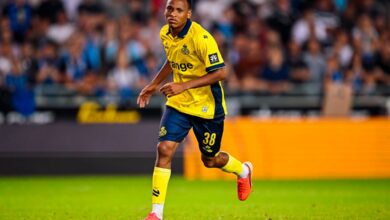
Andre de Jong’s New Zealand World Cup Snub Raises Questions as Orlando Pirates Striker Faces Key Career Phase
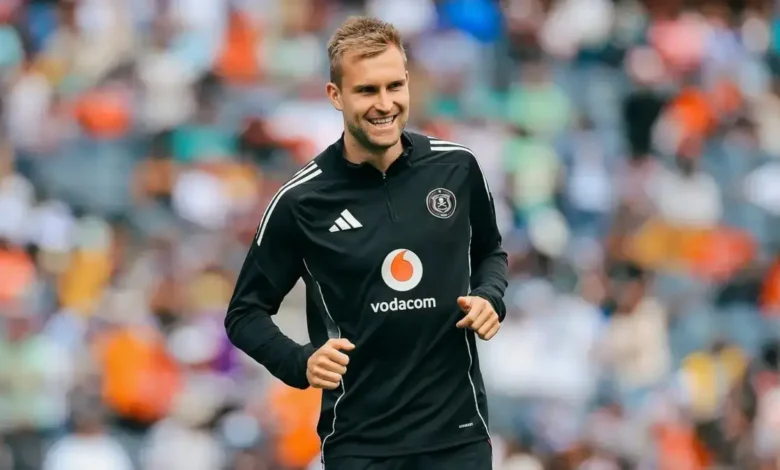
Andre de Jong has faced a major setback after being left out of New Zealand’s squad for the 2026 FIFA World Cup, a decision that has surprised many in his home country. The New Zealand national football team will compete at the global tournament in the United States, Mexico and Canada between 11 June and 19 July. De Jong had been widely expected to feature in the final selection after being involved in March friendlies against Finland and Chile. His omission has sparked debate among fans and analysts who believed his recent international involvement signalled a place in the squad. The decision now shifts attention back to his club career and his role at Orlando Pirates. The timing of the exclusion adds pressure on the striker as he looks to stabilise his form at a crucial stage of his career.
New Zealand head coach Darren Bazeley has instead chosen to rely on strikers with more consistent European experience and established roles in competitive leagues. The squad selection reflects a preference for continuity and proven chemistry ahead of a demanding World Cup campaign. Experienced forward Chris Wood, who plays for Nottingham Forest in the English Premier League, remains a central figure in the team’s attacking plans. Other attacking options include Ben Old, who plays for Saint-Etienne in France’s Ligue 2, Jesse Randall of Dundee United in Scotland, and Callum McCowatt from Silkeborg in Denmark. These selections show a clear tactical direction focused on players active in European football environments. De Jong’s absence suggests that competition for attacking places has become more intense than initially expected.
Former SuperSport United goalkeeper Michael Utting, who also represented New Zealand internationally, expressed surprise at the decision. He noted that while the squad has experienced attackers, De Jong’s involvement in recent fixtures suggested he was in contention. Utting highlighted the presence of established names like Chris Wood but implied that the omission still raised questions given De Jong’s recent international exposure. His comments reflect a broader sentiment that the final decision was not entirely predictable. De Jong’s situation illustrates how national team selection often depends on form, consistency and tactical fit rather than recent call-ups alone. It also shows how competition for World Cup places can shift quickly as coaches finalise their plans.
De Jong’s club situation at Orlando Pirates has also played a role in shaping perceptions of his international prospects. Since joining the Soweto club from Stellenbosch FC in January, he has struggled to secure consistent playing time. His performances have been marked by irregular minutes and difficulty establishing a stable rhythm in the squad. That lack of continuity has impacted his ability to build momentum at a critical stage of the season. Despite his talent and previous promise, form and match fitness appear to have influenced New Zealand’s final selection decision. His challenge now is to regain consistency and prove his value through sustained performances.
At Orlando Pirates, the focus remains on domestic success as the club continues its pursuit of silverware in a tightly contested league campaign. De Jong is expected to play a role as the team pushes through key fixtures, including a significant clash against Orbit College FC at Mbombela Stadium. The Soweto giants are also under pressure to secure their first league title in 14 years, adding weight to every remaining match. De Jong’s contribution could still be important if he finds form at the right moment. Strong performances at club level often reopen international doors, especially in a World Cup cycle year. His immediate task is to respond on the pitch and rebuild confidence.
The exclusion from the 2026 World Cup squad represents a turning point for Andre de Jong, but not the end of his international ambitions. His previous involvement with New Zealand shows that he remains part of the wider national team conversation. However, the competition for places and emphasis on European-based attackers has raised the bar significantly. His future opportunities will depend heavily on his output for Orlando Pirates and his ability to secure regular minutes. The next phase of his career now hinges on consistency, impact and resilience. His response in the coming months will determine whether he returns to the international stage or remains on the outside looking in.