Hugo Broos Changes His Tune on Pitso Mosimane as He Urges South Africans to Support New Bafana Bafana Coach
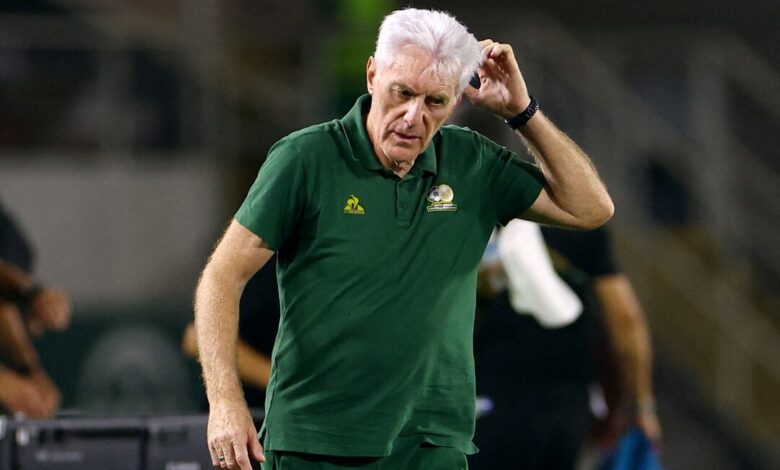
Former Bafana Bafana head coach Hugo Broos has surprised South African football supporters by publicly backing Pitso Mosimane after previously expressing doubts about the former Mamelodi Sundowns coach’s suitability for the national team job. The Belgian tactician has now called on the South African public to give Mosimane their full support as he begins building his own legacy with the national side. His latest comments represent a significant change in tone towards a coach whose appointment previously attracted questions about whether he could succeed at international level. Mosimane has made a steady start to his tenure, going unbeaten in his opening five matches, according to the supplied account. Broos believes the new coach deserves the opportunity to implement his ideas without being constantly compared to the achievements of his predecessor.
Broos understands the demands of coaching Bafana Bafana after spending five years in charge of the national team. During his tenure, he helped South Africa regain its competitiveness and establish itself as a respected force in African football. One of the biggest highlights of his time in charge was guiding Bafana to a third-place finish at the Africa Cup of Nations. That achievement restored confidence among supporters and demonstrated the potential within South African football. His departure marked the beginning of a new chapter, with Mosimane taking on the responsibility of maintaining the team’s progress while introducing his own football philosophy.
The Belgian’s latest comments are particularly interesting because of his previous reservations about Mosimane’s ability to succeed as Bafana Bafana coach. The former Mamelodi Sundowns manager has an impressive coaching record at club level, having won major trophies in South Africa and other African football competitions. However, international football presents different challenges because national team coaches have limited time to work with their players. They must also build a competitive squad, manage different personalities and prepare for important matches within short international breaks. Broos now appears willing to acknowledge that Mosimane deserves the opportunity to demonstrate what he can achieve in the national team environment.
Speaking about the importance of supporting his successor, Broos made it clear that his time with Bafana Bafana has come to an end. He believes South African supporters should move forward and give Mosimane the same encouragement they gave the previous coaching regime. “Why shouldn’t they support him? My term is finished. I’m in Belgium. I’m not the coach anymore. I was the coach who gave them five wonderful years, but Pitso will do that also,” Broos said. His statement reflects an understanding that the national team belongs to the country and not to any individual coach. It also sends a positive message about the importance of allowing new leadership to establish itself.
Broos also acknowledged that Mosimane may approach certain aspects of the game differently. Every coach has a preferred tactical system, training philosophy and approach to selecting players. While Broos built his Bafana team around his own ideas, Mosimane will naturally want to introduce methods that suit his understanding of the game. The Belgian believes supporters should accept these differences rather than expecting the new coach to reproduce exactly what happened during the previous five years. “Maybe he wants to change something also. He’s a coach, and I’m a coach, and maybe we see some things differently. This is normal,” he explained. His comments suggest that he recognises the importance of giving Mosimane enough freedom to shape the national team according to his own vision.
For Mosimane, the immediate challenge will be to build on the foundations left behind by Broos while establishing a clear identity of his own. An unbeaten start across his opening five fixtures provides encouragement, but the real test will come when Bafana face stronger opposition in competitive matches. South African supporters will expect consistent performances, positive results and progress in major tournaments. Mosimane will also have to identify the right balance between experienced international players and younger footballers who are looking to establish themselves in the national team. His reputation as one of Africa’s most successful club coaches means expectations will naturally be high.
The transition between Broos and Mosimane is also an important moment for South African football. Broos leaves behind a period in which Bafana regained credibility and demonstrated their ability to compete against some of Africa’s strongest national teams. Mosimane now has the responsibility of taking that progress further while dealing with the different demands of international management. Rather than completely changing everything that worked under the previous coach, he will need to assess the squad and determine which elements should remain part of the team’s approach. His experience at Mamelodi Sundowns and other clubs could help him introduce greater tactical flexibility and confidence. However, success will ultimately depend on how effectively he translates his ideas into results on the international stage.
The upcoming Africa Cup of Nations qualification campaign and World Cup qualification fixtures will provide important tests for the new coach. These competitions demand consistency because every result can influence a country’s chances of reaching a major tournament. Bafana will need to perform against different styles of opposition while maintaining the discipline that helped them become competitive under Broos. Mosimane must also manage expectations and ensure that players remain focused despite the attention surrounding his appointment. His unbeaten opening run is a positive starting point, but supporters will judge his tenure by performances and achievements over a longer period.
Broos’ public endorsement could also help ease some of the pressure surrounding the coaching transition. When a former national team manager openly supports his successor, it sends a message that the previous era should not become a source of division. It also reminds supporters that coaching changes are a normal part of football and that different approaches can produce positive results. Mosimane does not need to become another Hugo Broos because he has his own experience, achievements and ideas. What matters most is whether he can build a team capable of representing South Africa with consistency and competing successfully against the continent’s leading nations.
Ultimately, Hugo Broos’ change in tone towards Pitso Mosimane represents an encouraging development for Bafana Bafana as the national team enters a new era. His message is clear: South Africans should put their support behind the new coach instead of allowing previous disagreements or comparisons to influence the team’s progress. Mosimane has already made a positive start, but the bigger challenges will come as competitive fixtures become more demanding. With the foundations established during Broos’ five-year tenure and Mosimane’s extensive coaching experience, Bafana have an opportunity to continue moving forward. The former Belgian coach has had his time in charge, and he now believes his successor deserves the same opportunity to create his own success story.