Pitso Mosimane Impressed by Siyanda Ndlovu’s Deliberate Approach After Bafana Bafana Debut
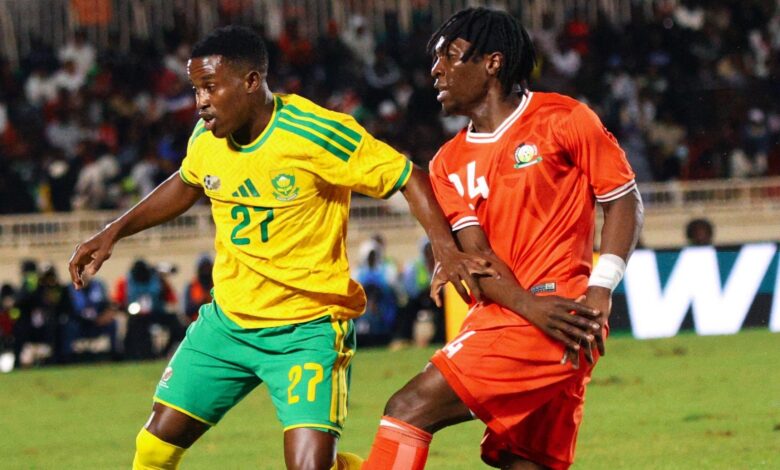
Siyanda Ndlovu has made an impressive first impression on Bafana Bafana coach Pitso Mosimane after earning his international debut in South Africa’s 2-1 victory over Kenya. The 23-year-old winger was a surprise inclusion in the national team setup, having not featured in the coach’s initial preliminary squad. However, his direct attacking approach and willingness to take on defenders quickly justified the decision to introduce him during a crucial moment of the match. Mosimane praised Ndlovu’s ability to deliver the ball into dangerous areas and create problems for opposition defenders. His debut could mark the beginning of an exciting international journey as Bafana Bafana continue strengthening their attacking options ahead of important qualification fixtures.
Ndlovu’s introduction was not simply a decision to add fresh legs to the attack, but part of a carefully considered tactical adjustment by Mosimane. The coach wanted to move Relebohile Mofokeng into a more central attacking position, where the youngster could influence the game as a number 10. That change required a player capable of providing width, attacking the opposition full-back and delivering dangerous balls into the penalty area. Ndlovu offered exactly those qualities, allowing Bafana to maintain their attacking balance while giving Mofokeng greater freedom in central areas. The decision demonstrated how tactical changes and individual player strengths can combine to influence the outcome of a closely contested international match.
Speaking after the victory over Kenya, Mosimane explained what he wanted from the young winger and why his characteristics made him suitable for the role. The coach highlighted Ndlovu’s directness and ability to make purposeful attacking decisions rather than simply keeping possession without creating danger. He said, “You could see to bring Rele inside, you need someone who can create a problem on the side. He’s more direct, deliberate, he will put the ball in the box.” Mosimane added that Ndlovu did exactly what was expected of him, creating problems for Kenya’s left-back and helping the team achieve the desired result. The coach’s comments suggest that the winger’s tactical discipline and ability to execute instructions were just as important as his individual skill.
Ndlovu’s willingness to attack defenders could become an important asset for Bafana Bafana as they look to develop a more versatile attacking approach. Wide players who are comfortable taking on opponents, delivering crosses and making forward runs can create opportunities even when teams defend deep. His direct style also gives South Africa another option when they need to stretch opposition defensive lines and open spaces for players operating centrally. Against Kenya, his introduction helped change the dynamics of the attack by giving the team a more natural wide threat. Such qualities could prove valuable in future matches where South Africa need to break down organised defensive structures.
The tactical adjustment also benefited Mofokeng, who was moved into his preferred number 10 position during the match. The young attacker is known for his creativity, technical ability and capacity to influence attacking situations when operating between midfield and defence. By bringing Ndlovu onto the flank, Mosimane ensured that Bafana did not lose their width while moving Mofokeng into a more influential central role. This allowed the team to create a different attacking structure and put greater pressure on Kenya’s defensive organisation. The combination of a direct winger and a creative central attacker gave South Africa additional options in the final third.
Mosimane’s decision to select Ndlovu despite the winger not being part of his initial preliminary squad also highlighted the coach’s willingness to trust his judgment. National team selections often generate debate because supporters and analysts have different opinions about which players deserve opportunities. The coach acknowledged that selection decisions involve a combination of performances, tactical requirements and personal assessment. He explained that there is an element of intuition involved, although he stressed that decisions are not based on instinct alone. His approach suggests that players who demonstrate the right qualities and perform well at club level can still earn opportunities even when they are not initially expected to feature in the national team.
The Bafana Bafana debut represents an important milestone in Ndlovu’s career, particularly because he was given the opportunity to contribute in a competitive international match. Making a debut is one achievement, but producing a performance that earns praise from the coach can be even more significant for a young player seeking to establish himself. Ndlovu showed that he was capable of handling the demands of international football and carrying out a specific tactical responsibility. His contribution against Kenya will provide confidence as he continues competing for opportunities in the national team. It also sends a positive message to other domestic players that strong performances and the right tactical qualities can attract attention from the national team coaching staff.
The emergence of Ndlovu could provide Bafana Bafana with greater depth in wide attacking positions, an area where tactical flexibility is often important. Different opponents require different approaches, with some matches demanding creativity and patient possession while others require pace, direct running and early deliveries into the box. Ndlovu’s playing style gives Mosimane another option when he wants to change the rhythm of a match or increase pressure on opposition defenders. His ability to follow instructions and contribute immediately could make him a useful player in future squad selections. However, maintaining consistency at club level and continuing to perform when given international opportunities will be crucial to his long-term prospects.
South Africa’s victory over Kenya also demonstrated the importance of making effective tactical decisions during matches. Mosimane recognised that Mofokeng could offer more centrally and adjusted the team’s attacking structure to accommodate that change. Rather than sacrificing width, he introduced Ndlovu to provide the direct threat needed on the flank. The move helped Bafana create additional problems for Kenya and contributed to an important result. It was an example of how a coach can use the strengths of individual players to improve the overall performance of a team.
Ndlovu’s successful debut will undoubtedly increase interest in his progress as Bafana Bafana continue their preparations for upcoming international commitments. Mosimane’s praise provides encouragement, but the winger will need to keep working hard to turn his first appearance into a sustained presence in the national team. His direct approach, ability to deliver into the box and willingness to follow tactical instructions have already made a positive impression. The competition for places remains strong, meaning every opportunity will be important. If he continues developing and delivering performances that match the qualities highlighted by Mosimane, Siyanda Ndlovu could become an increasingly valuable attacking option for South Africa in the months ahead.