Pitso Mosimane Explains Tactical Change That Helped Relebohile Mofokeng Shine Against Kenya
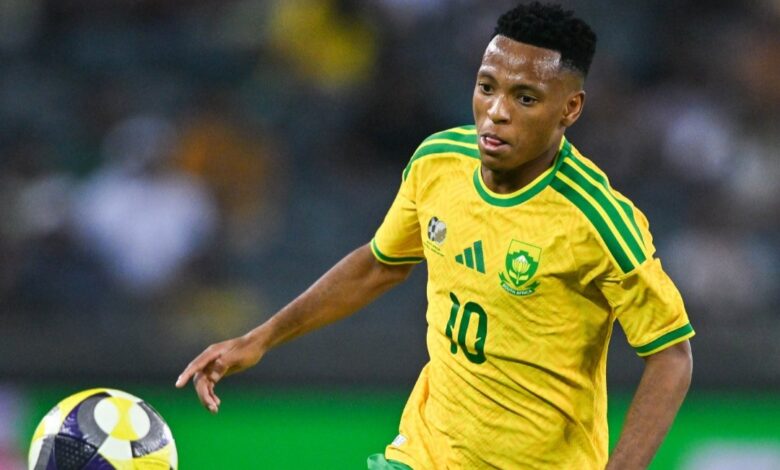
Pitso Mosimane has explained how a tactical adjustment helped Relebohile Mofokeng make a greater attacking impact for Bafana Bafana in their AFCON qualifier against Kenya. The coach revealed that moving the young attacker back into his preferred number 10 position was an important decision as South Africa searched for a winning goal. Mofokeng had initially played in a wider role, but the change allowed him to operate closer to the opposition goal and influence the game in areas where he is most effective. With Bafana needing more than a draw, Mosimane recognised the importance of giving his team additional attacking options. His decision highlighted the value of understanding a player’s strengths and making tactical adjustments at the right moment.
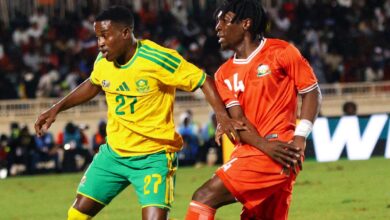
Bafana Bafana secured an important victory against Kenya on Tuesday, with Mofokeng among the players who helped make a difference after the team changed its approach. The result was particularly important because South Africa needed a victory rather than simply settling for a point. Mosimane explained that the situation required him to push more players forward and increase the team’s attacking presence. Instead of making a straightforward substitution and hoping for a breakthrough, he adjusted the positioning of players already on the field. Moving Mofokeng into the number 10 role gave Bafana another creative option between the opposition’s midfield and defensive lines.
The coach explained that Mofokeng had initially been positioned out wide because of the conditions of the pitch and the tactical balance he wanted to maintain in midfield. Bafana had three holding midfielders in place to provide defensive stability and limit Kenya’s opportunities to exploit central spaces. That structure was important because committing too many players forward could have exposed South Africa to counterattacks. However, as the match developed and the need for a goal became increasingly clear, Mosimane decided that the team needed a more direct attacking threat. Moving Mofokeng centrally allowed the youngster to become more involved in the final third and use his creativity in a position familiar to him.
Mosimane explained the thinking behind the positional change, saying, “All I had to do is, we don’t need a draw. If we need to score, I had to push people in front and put an extra attacker in front.” He added that he returned Mofokeng to the position where the youngster had previously played in South Africa, explaining that he had been used as a number 10 and had scored when operating in that role. The comments underline the coach’s confidence in Mofokeng’s ability to influence attacking situations when given the freedom to play centrally. Rather than asking the youngster to perform in an unfamiliar role, Mosimane placed him in a position where his movement, vision and ability to create opportunities could have a greater impact. The adjustment was part of a broader attacking change designed to give Bafana a better chance of finding the breakthrough.
Mofokeng’s contribution was not limited to his attacking responsibilities, however, as Mosimane also praised his understanding of the defensive side of the game. The coach revealed that the youngster had been instructed to monitor Kenya’s number six, meaning he needed to remain disciplined and help limit the opposition’s influence in midfield. That responsibility required concentration and awareness, particularly after moving into a more advanced position. Mofokeng had to balance his desire to attack with the need to track his opponent and contribute to the team’s defensive structure. Mosimane was impressed by the youngster’s ability to carry out those instructions while still offering a threat going forward.
“He created problems, but he’s not just a player who is good on the ball. He knows his defensive duties and that’s what we need tonight. He had to stay with the six. It’s not easy. He’s an attacking player as a 10 and to be able to score also credits to him,” Mosimane said.
The praise reflects the growing importance of Mofokeng to Bafana Bafana, particularly as the national team looks for players capable of making a difference in high-pressure situations. His technical ability, creativity and attacking instincts make him a valuable option in the final third, but his willingness to follow tactical instructions also gives coaches greater flexibility. Playing as a number 10 can demand more than creating chances, as the position often requires players to press opponents, close passing lanes and help maintain the team’s shape. Mofokeng’s ability to fulfil those responsibilities while remaining dangerous in attack is an encouraging sign for South Africa. It also demonstrates why positional flexibility can be an important asset for young players competing at international level.
Mosimane’s decision also offers an example of how tactical changes can influence the course of a match. Maintaining three holding midfielders provided Bafana with protection and control earlier in the game, but the attacking requirements changed as the team pursued victory. Moving Mofokeng into a central attacking role helped address that need without completely abandoning the team’s tactical structure. The adjustment gave the youngster more opportunities to get involved in decisive attacking moments while allowing the coach to retain an understanding of the defensive responsibilities required from the team. Such decisions can be particularly important in international football, where matches are often closely contested and coaches must respond quickly to changing circumstances.
Mofokeng’s performance against Kenya will also strengthen the conversation about where he is most effective for Bafana Bafana. Although he can operate in wide attacking positions, the number 10 role appears to offer him opportunities to use his creativity, make forward runs and influence play closer to goal. His ability to adapt to different tactical demands remains valuable, especially when coaches need players who can change the shape of a team during a match. Mosimane’s explanation suggests that getting the best out of Mofokeng is not simply about giving him more freedom, but also about placing him in a position that suits his strengths while maintaining clear responsibilities. That balance could prove important as South Africa continues its pursuit of success in competitive international football.
The victory over Kenya demonstrated the importance of tactical flexibility and the ability to recognise when a match requires a different approach. Mosimane’s decision to move Relebohile Mofokeng back into the number 10 position gave Bafana Bafana an additional attacking dimension at a crucial moment. The coach’s praise for the youngster’s defensive discipline also showed that his contribution extended beyond creating chances and scoring goals. For Mofokeng, the performance was another opportunity to demonstrate his versatility, maturity and potential to become an influential figure in the national team. For Bafana, the tactical adjustment reinforced the importance of making the most of their attacking talent when the pressure is on to secure a result.